Questions to Ask a Wedding Photographer: 7 You Need To Ask Before You Book
April 21, 2026
published on
filed under
You have done the research. You have spent real time in portfolios, saved images that made you feel something, and narrowed your list to photographers whose work genuinely moves you. Now comes the part that matters just as much as the photos themselves, knowing exactly what questions to ask a wedding photographer before you sign anything.
The conversation.
Not the inquiry form. Not the pricing page. The actual exchange. The one that tells you whether you will trust this person on one of the most significant days of your life. A portfolio shows you what a photographer sees. A conversation shows you who they are.
Questions to Ask a Wedding Photographer Before You Book
Most “questions to ask your photographer” lists are recycled from the same three articles. They cover the basics, do you have insurance, how many weddings have you shot, and then stop before they get to the things that actually matter to how your wedding day is going to feel. This isn’t that list. These are the seven most important questions to ask a wedding photographer, the ones that go beyond the basics.
These are the seven questions worth asking. Some of them you may not have thought to ask. Some of them will tell you more in the answer than in the question itself. All of them are worth the five minutes it takes to bring them up on a call.
1. Questions to ask a wedding photographer: start with the full gallery
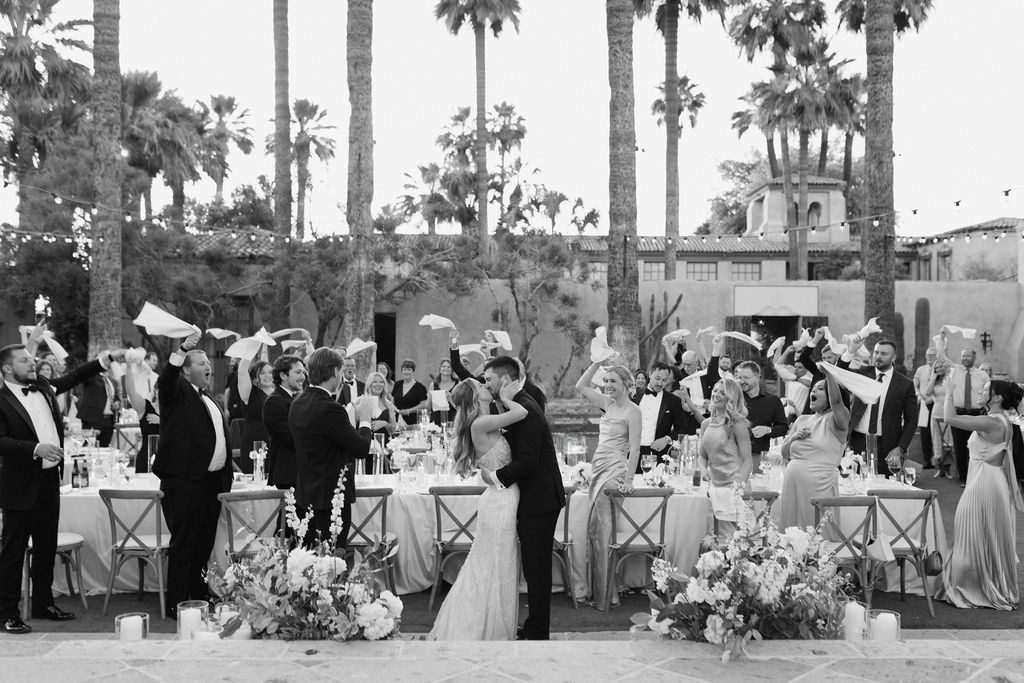
This is the question most brides don’t know to ask, or want to ask but are afraid to ask, and it is the single most revealing thing you can request. Every photographer’s website shows their best twelve images. A highlight reel tells you what they’re capable of on a perfect moment with perfect light. A full gallery shows you everything else.
Ask to see a complete wedding. What you’re looking for isn’t a gallery where every image is extraordinary. What you’re looking for is consistent, genuine storytelling across the whole day. The getting-ready moments, the family formals, the reception candids, the quiet in-between shots. Those are the images that make up the majority of what you’ll receive, and they should feel as considered as the ones on the front page.
If a photographer hesitates or can only offer you more highlight galleries, that tells you something. The ones who are proud of their full work will send it without blinking.

2. How would you describe what it actually feels like to be photographed by you?
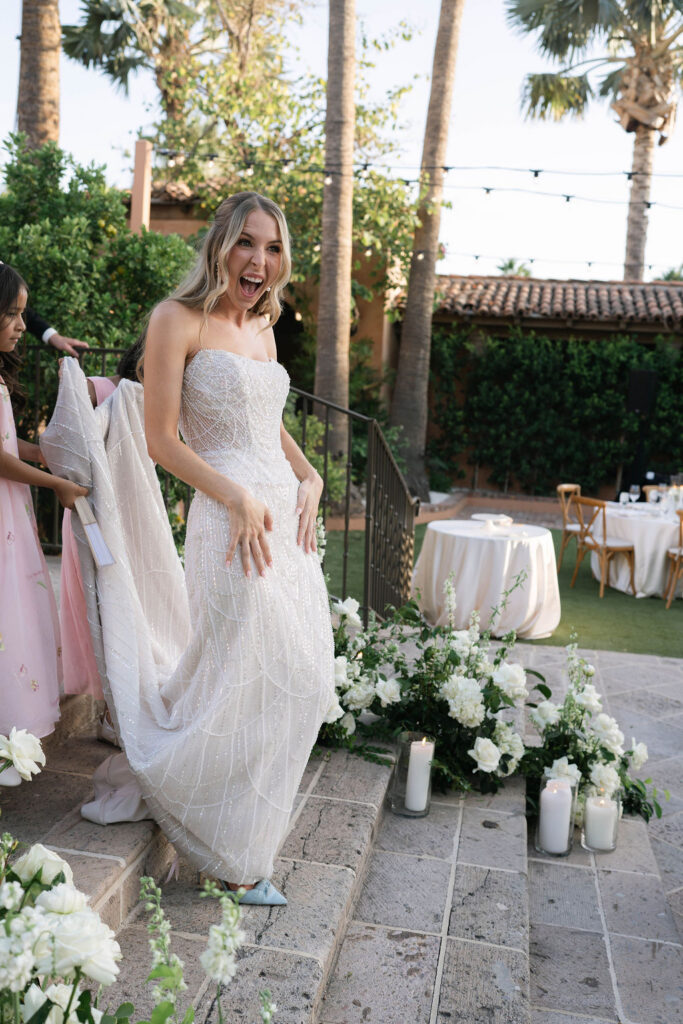
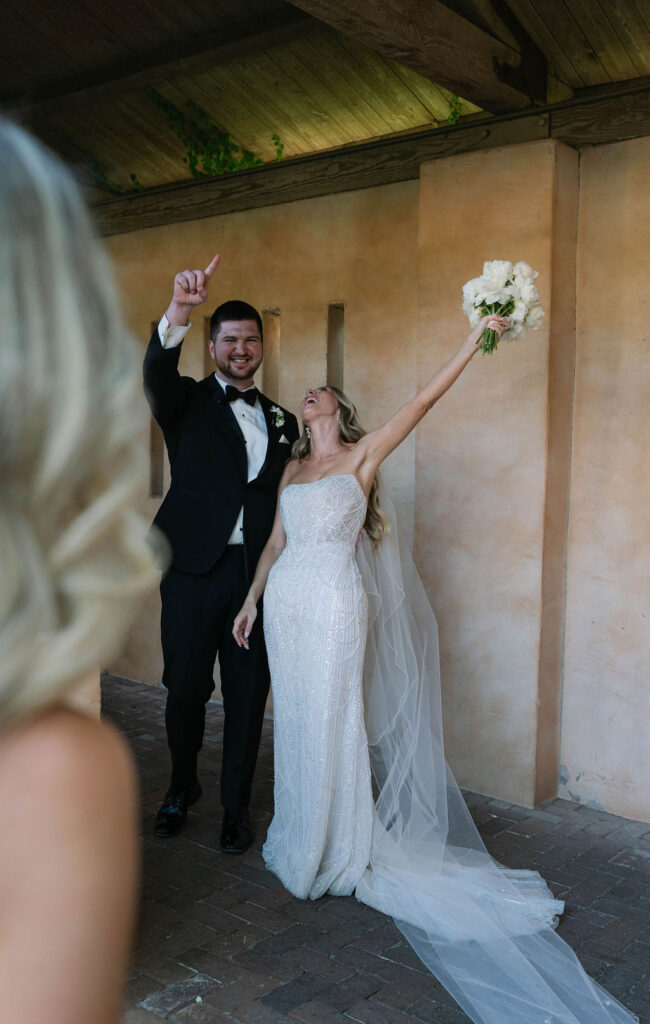
This question tells you more than any portfolio can. You want to understand how they work in the room, not just what comes out of it. And more specifically, you want to understand whether you are going to feel comfortable, natural, and present… or posed, directed, and aware of the camera all day.
There is a real difference between a photographer who leads with posing and one whose default is to observe. Both can produce beautiful images! But if what you want is photos that feel like you were actually living your wedding day rather than performing it, you need someone whose approach matches that.
Ask them directly: what does it feel like to be photographed by you? Listen for words like present, relaxed, easy, unaware. Listen for whether they talk about prompting rather than posing, giving you something to do or feel rather than a position to hold. And notice whether they seem curious about you, or whether they move quickly to talking about themselves.
What you should listen for
If you want a more documentary approach and candid gallery, you’re going to want to hear that their couples forget they’re being photographed and that they don’t do a lot of directing except during portraits. If you want a more editorial approach, especially when it comes to portraits, you may want to hear that they’re more hands on and do more posing. You can read more about my approach on my about page.
If you have ever said “I hate photos of myself” this question is especially important for you! The right photographer will have a clear, warm answer for exactly that. If they brush past it, keep looking.
3. What does communication look like after booking?
One of the most overlooked questions to ask a wedding photographer is simply: what does communication look like between now and my wedding day? This question doesn’t get asked nearly enough, and it is one of the most important things you can understand before you sign a contract. Booking a photographer is the beginning of a relationship that spans months, sometimes over a year. What happens in that time matters.
You want to know: will there be a timeline planning conversation before your wedding day, or will you be winging it? Will they check in as the date gets closer, or will you hear from them only when you reach out? Do they work with your planner directly, or do they show up the day of and figure it out on arrival?
The best photographers treat the months between booking and your wedding as part of the service, not as a waiting period. They want to know your venue, your priorities, your family dynamics, what you’re most excited about and what you’re most anxious about. That conversation shapes everything about how your day gets photographed.
How much involvement do you want?
Every bride is different here and both approaches are completely valid. Some brides prefer that all communication goes through their planner, if that’s you, the most important thing to confirm is that your photographer works closely and proactively with whoever is running your day. Others want to be involved in every step along the way. If that’s you, ask specifically about your photographer’s touchpoint process, how often they check in, what those conversations look like, and whether they are available for a call whenever you need one.
How a photographer communicates before your wedding is exactly how they will communicate after it. If they are slow to respond during the booking process, they will be slow to respond when you are waiting on your gallery. If they are warm, organized, and proactive now, that is what you will experience all the way through delivery.
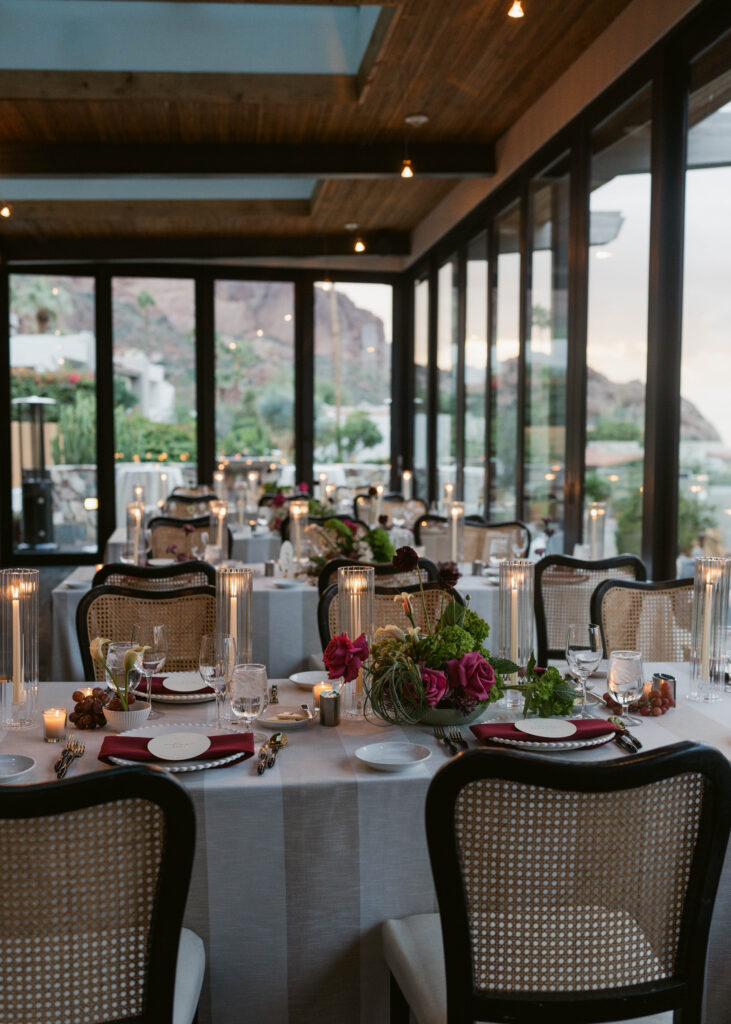
4. How do you handle it if we’re running behind on the timeline?
Every wedding runs behind at some point. Hair and makeup, family members who can’t be found, a ceremony that starts fifteen minutes late, something will shift, and how your photographer responds to that moment will determine whether you feel it or not.
What you are really asking here is: are you going to make me feel rushed? Are you going to be watching the clock in a way that makes me anxious? Or are you going to handle whatever comes and protect the experience of the day for me regardless?
The answer you want is one that communicates calm, adaptability, and a clear sense that they have been here before. A photographer who has shot enough weddings knows that the timeline is a framework, not a contract. What matters is that the moments get captured, and that you never feel the production side of your own wedding day.
If you want to go deeper on this, I wrote an entire post on how I build a wedding day timeline that doesn’t feel rushed.
What to listen for:
Calm, specific, and experiential. You want to hear a real answer, maybe even a real story about a wedding that pivoted and still produced something beautiful. What you don’t want is anxiety or rigidity. If they seem stressed just talking about it, imagine how that energy feels on your actual day.
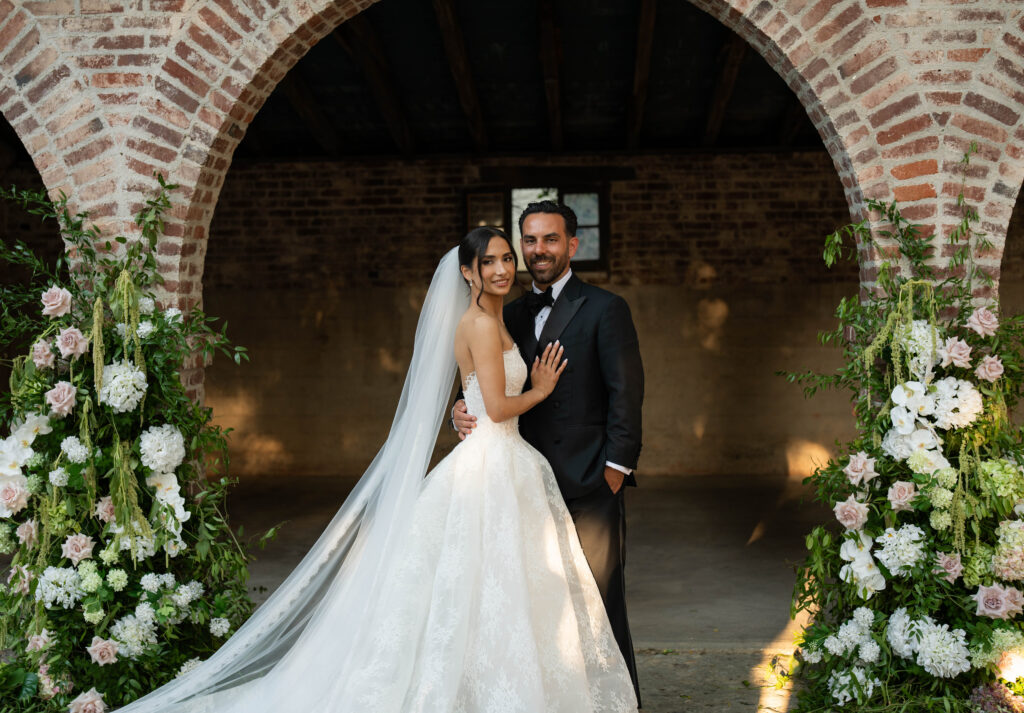
5. How do you protect our images if something goes wrong?
Another essential question to ask your wedding photographer before you book is how they protect your images if something goes wrong. This is the question that tells you whether a photographer has thought carefully about what they are being trusted with, or whether they are winging it. On a day this significant, you should never have to think about what happens if something goes wrong. Your photographer should have thought about it already.
There are two layers here. The first is in-camera backup. Whether their camera body writes to two memory cards simultaneously, meaning your images are duplicated the moment they are captured. This is standard for professional bodies and non-negotiable for anyone charging at a professional rate. The second is file storage between your wedding day and gallery delivery. How they back up, where files live, and whether there are redundancies in place.
Ask both questions. A photographer who takes this seriously will have a clear, practiced answer. One who hasn’t thought about it will tell you something is off before they say a word.
While you’re at it, ask what their contingency plan is if they are unable to shoot your wedding. Illness, emergencies, and the unexpected happen. A professional will have a network of trusted photographers they can call and a clear plan for how you would be taken care of. Make sure this is also addressed in your contract.
What to listen for:
Specifics. “I back everything up” is not an answer. “I shoot to dual cards, transfer everything the same night, and keep files in two separate locations until delivery” is an answer. The detail tells you the level of care.
6. How do you work with my wedding planner?
The best wedding days are run by a team, not a collection of vendors operating in parallel without ever really talking to each other. Your photographer and planner should not talki for the first time on your wedding morning. They should have had communication before your day, about your timeline, the moments that matter most to you, and how to move through the day without anything ever feeling rushed.
A photographer who values this relationship will have a clear and enthusiastic answer! They will be able to tell you how they communicate with planners, what they typically bring to that conversation, and why it makes a difference in the final images. It also tells you something important about how they see themselves in the room: as a collaborator who is part of your team, not just a vendor doing a job.
One planner I love working with is Emerald Grace, she builds timelines that are detailed enough to run the day seamlessly and thoughtful enough that nothing ever feels like a production. Working alongside a planner like that changes what’s possible photographically, because when the logistics are handled with that level of care, I get to focus entirely on catching the moments.
What if you don’t have a planner?
Ask a version of this question anyway: how do you help couples who are managing their own timeline? A photographer worth booking will step into that gap without being asked. They should be willing to review your timeline before the wedding, flag anything that looks tight, and show up on the day with enough experience to adapt if something shifts.
What to listen for:
Genuine enthusiasm! Not just a polite, “oh yeah I love working with planners.” You want specifics about how they communicate, what they bring to the planning conversation, and ideally the name of a planner they have worked with and loved! It signals that they are embedded in the industry in the right ways.
7. When will I receive my gallery, and what does the delivery experience look like?
The photos are the reason you are having this conversation, and what happens after your wedding day matters just as much as what happens during it. This question deserves a real, specific answer, not a vague “a few months.”
Ask for the full timeline: when can you expect sneak peeks, when will the complete gallery be delivered, and how will you receive it. Ask how long files are retained and whether print products or album design are part of what they offer. These photos are going to live on your walls for the rest of your life. The experience of receiving them should feel like it matches what they mean.
The best photographers understand that your gallery delivery is its own moment. It should not feel like downloading a folder of files. It should feel like reliving the day, the first time you see your own wedding the way everyone else saw it. That experience is part of what you are paying for. Make sure your photographer has thought about it.
What to listen for:
Specific timelines with hard commitments, not ranges that trail off into “it depends.” You want to hear about sneak peeks within 24–48 hours, a clear gallery delivery window, and some sense of what that delivery moment will feel like. If they can’t describe it warmly and specifically, the experience probably won’t be either.
One More Thing, Beyond the Questions
After you have worked through every question to ask a wedding photographer on this list, sit with how the conversation actually felt. Did you feel heard? Did they ask about you, your day, your people, what you’re most excited about, what you’re most nervous about. Or did they mostly talk about themselves? Did you feel at ease, or like you were being managed?
Your photographer is going to be present for nearly every hour of your wedding day. They will be in the room when you see your partner for the first time. They’re going to be close enough to catch the tears you didn’t know were coming. They sometimes will be the last vendor standing at the end of the night. That is a significant amount of access to one of the most private and meaningful days of your life.
The right photographer will make you forget they’re there. You will know the difference. Trust it.
If you’d like to know how I answer each of these questions to ask a wedding photographer, I’d love to connect!
Ready to have this conversation?
I’d love to hear about your day. A relaxed 20-minute call. No pressure, no pitch. Just two people figuring out if this feels right!
Inquiry Form
I respond to all messages within 24 Hours. Or you can contact me by email, hello@jaidynmichele.com
Inquire to share more about your vision and wedding photography goals.

Thanks for your message! I'll be in touch within the next 24 hours.
A wedding day photography timeline isn’t a schedule. It’s a framework for making sure you actually get to feel your own wedding day, instead of spending it chasing the next item on a list. Every wedding day photography timeline I build is completely custom. Not because I want to make things complicated, but because your […]
You have done the research. You have spent real time in portfolios, saved images that made you feel something, and narrowed your list to photographers whose work genuinely moves you. Now comes the part that matters just as much as the photos themselves, knowing exactly what questions to ask a wedding photographer before you sign […]
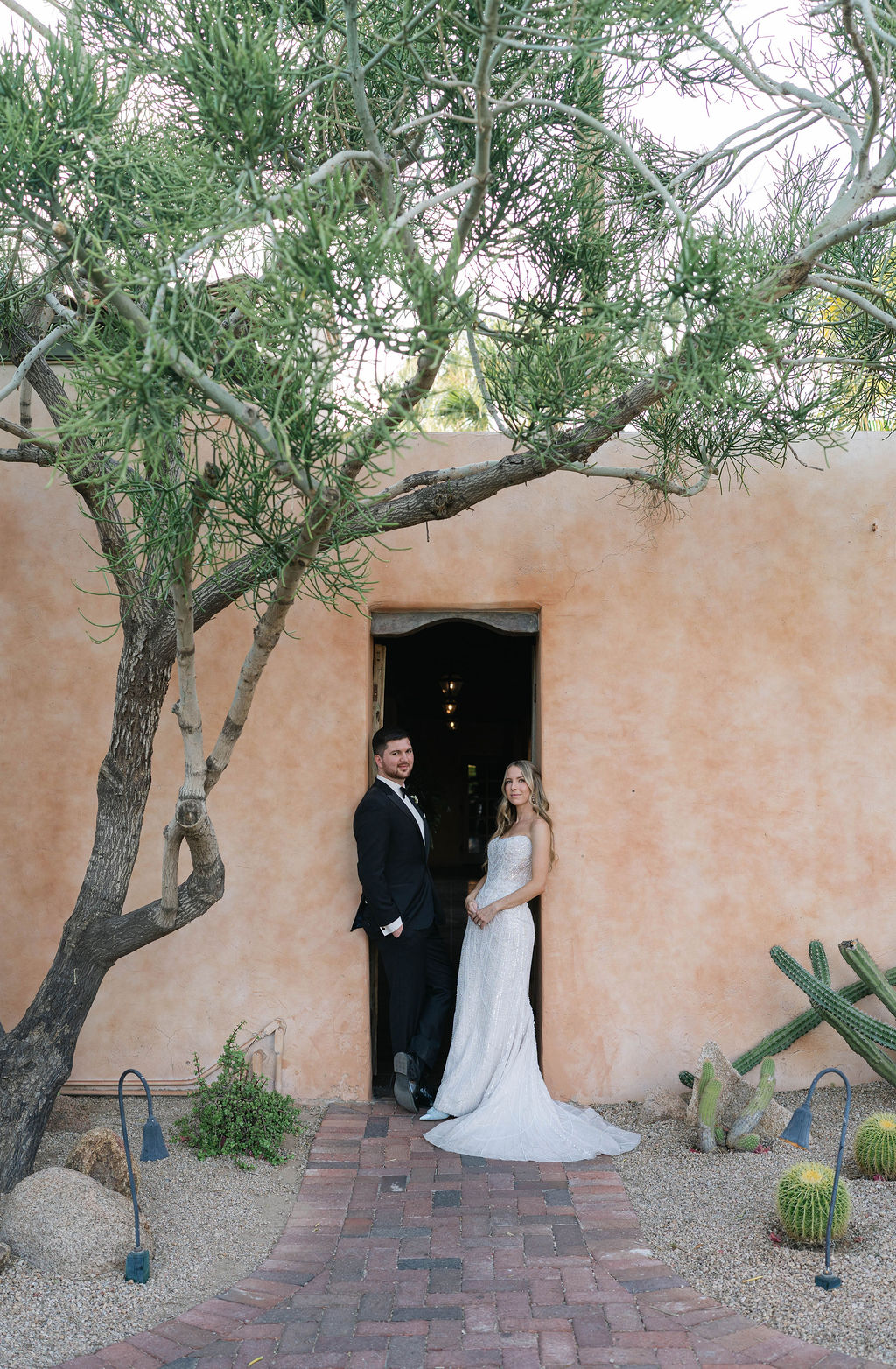
A Photographer’s Guide to What to Pack for Your Wedding Detail Photos What to pack for your wedding detail photos is one of the simplest ways to make your gallery feel cohesive and intentional from the very first frame. When you look back on your wedding gallery years from now, some of the most meaningful […]
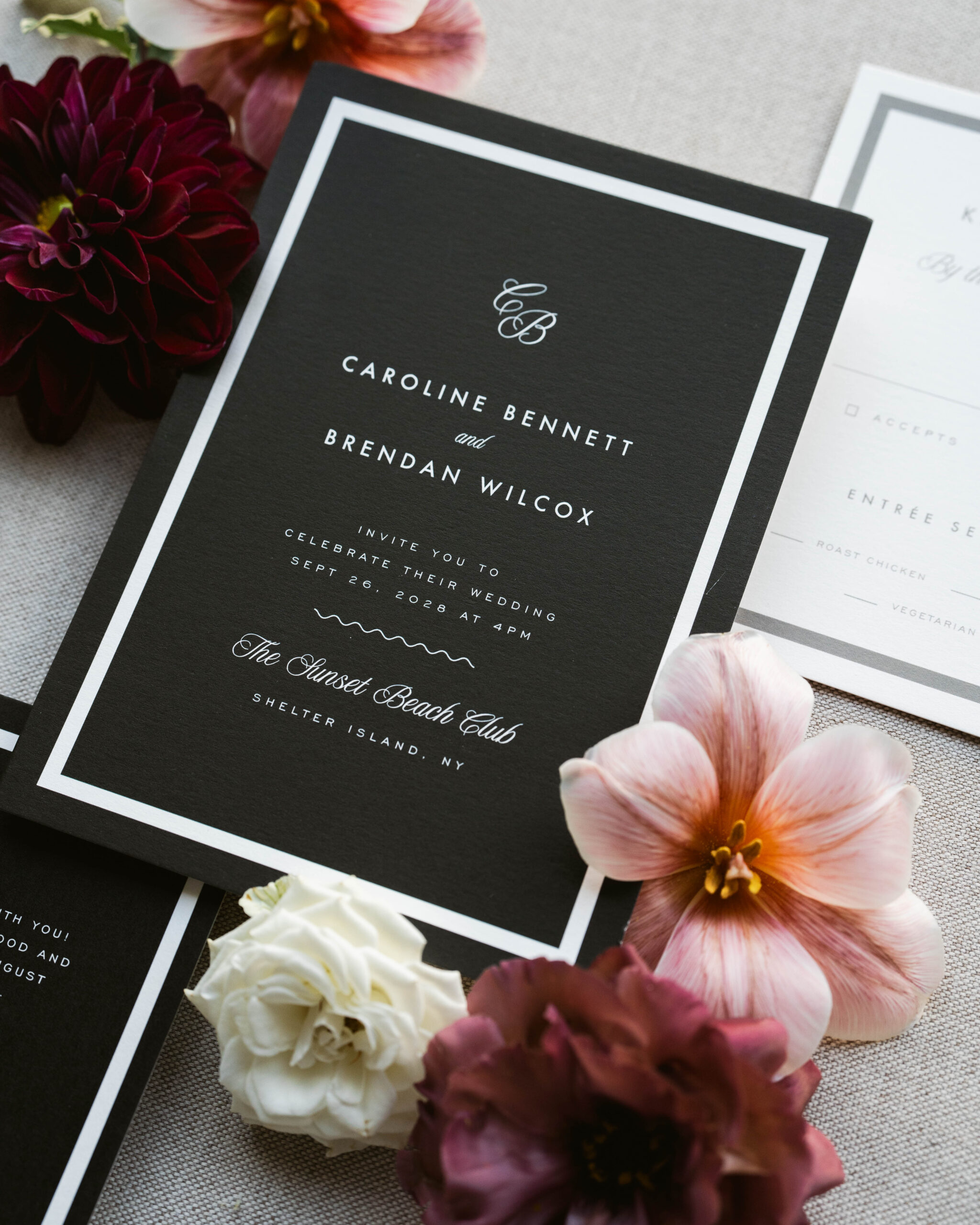
El Chorro Paradise Valley Wedding: A Timeless Arizona Venue Nestled beneath the silhouettes of Camelback Mountain, an El Chorro Paradise Valley wedding offers the perfect blend of luxury, character, and desert beauty. This iconic Arizona venue is beloved for its rich history, elegant gardens, and the kind of golden light that makes every moment feel […]
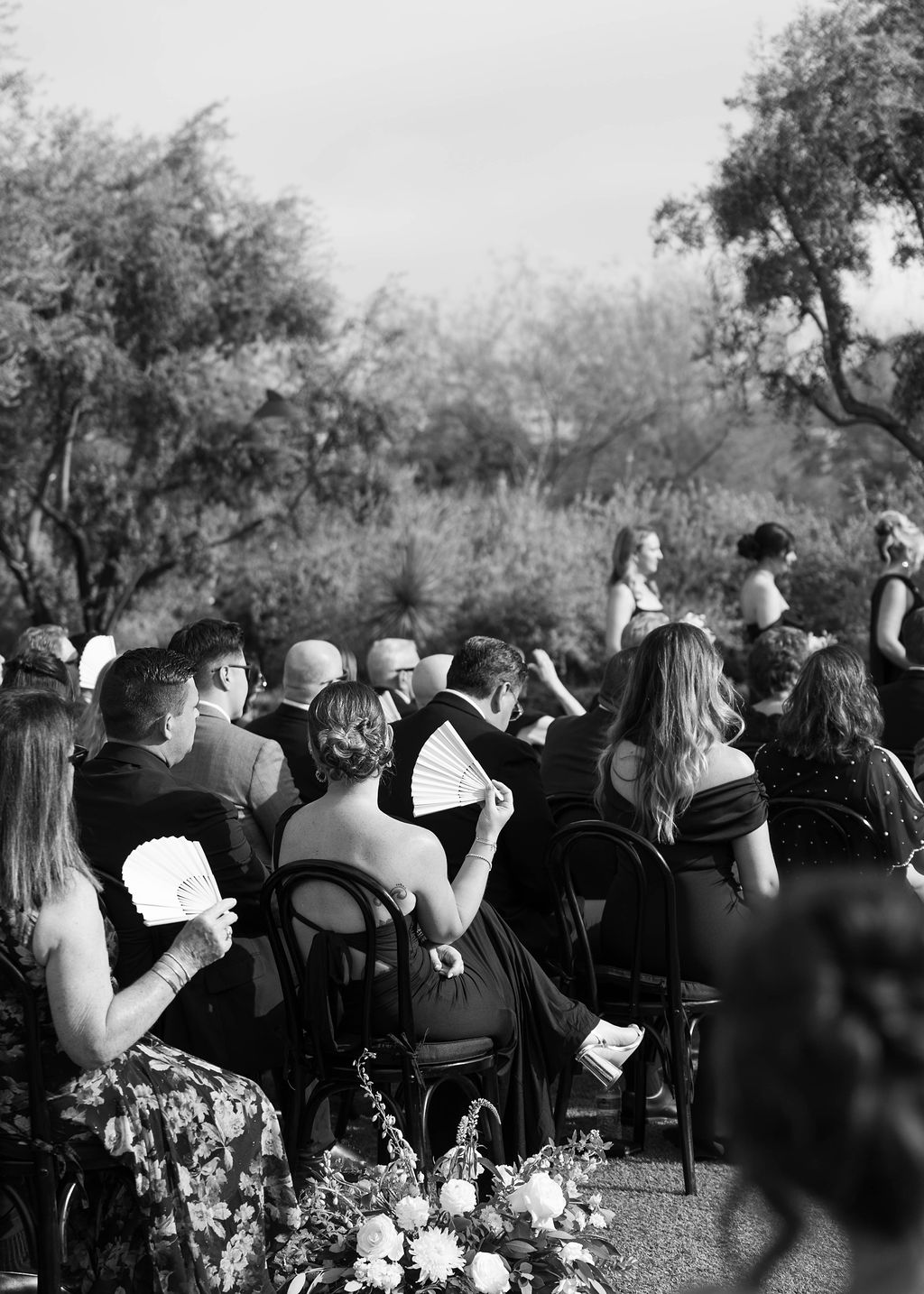
A Paradise Valley wedding venue like Paradise Valley Country Club offers an unmatched blend of elegance, natural beauty, and timeless charm—and Hannah and Zach’s celebration captured every bit of that magic. With mountain views, manicured lawns, and a stunning Arizona sunset, their wedding day was the perfect mix of heartfelt tradition and elevated style. From […]
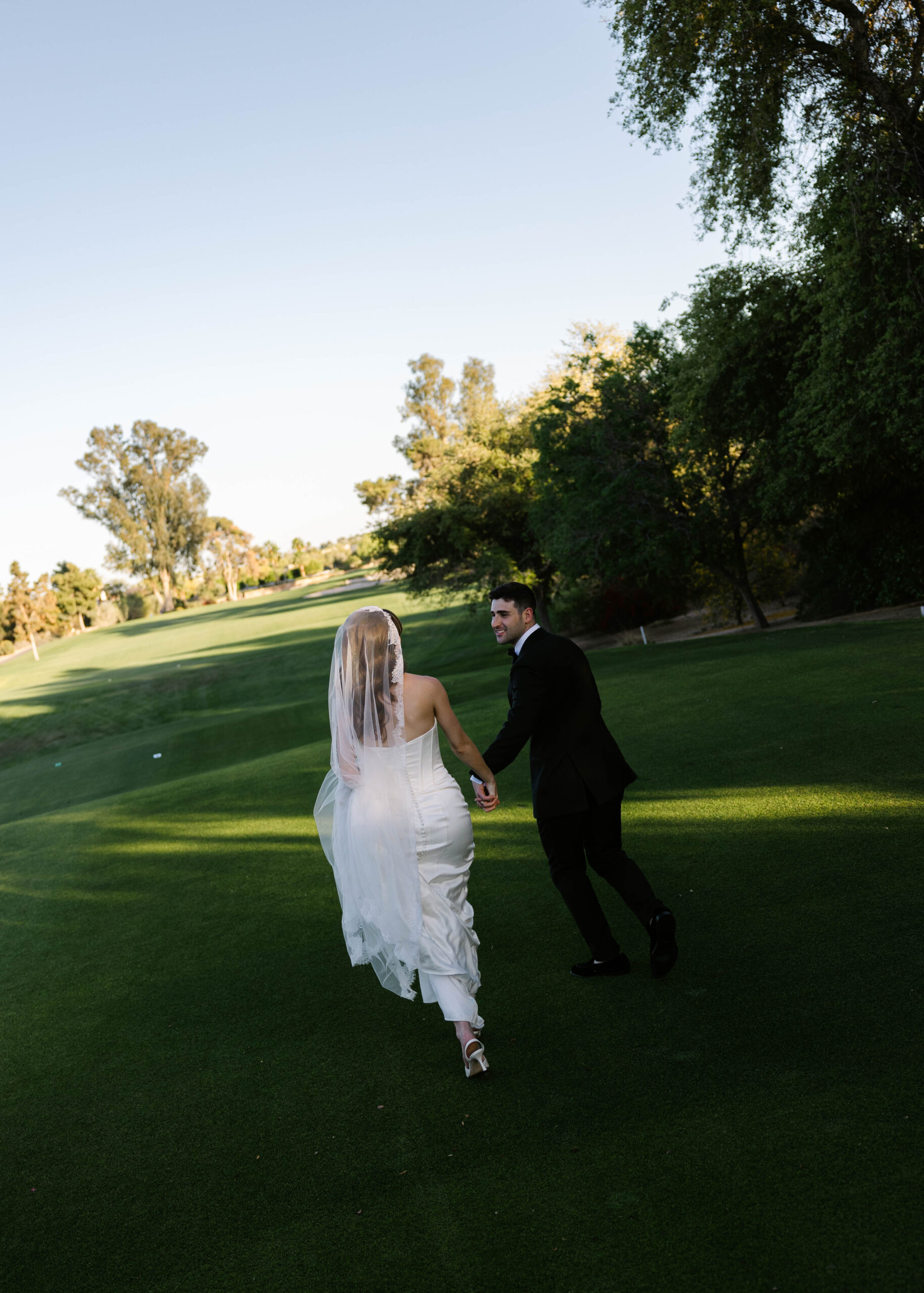
There’s something so special about welcome parties—the way they set the tone for the weekend, the joy of seeing loved ones greet each other, and the excitement of what’s to come. For Hannah and Zach, their wedding welcome party at El Chorro was all of that and more. With the iconic Camelback Mountain in the […]
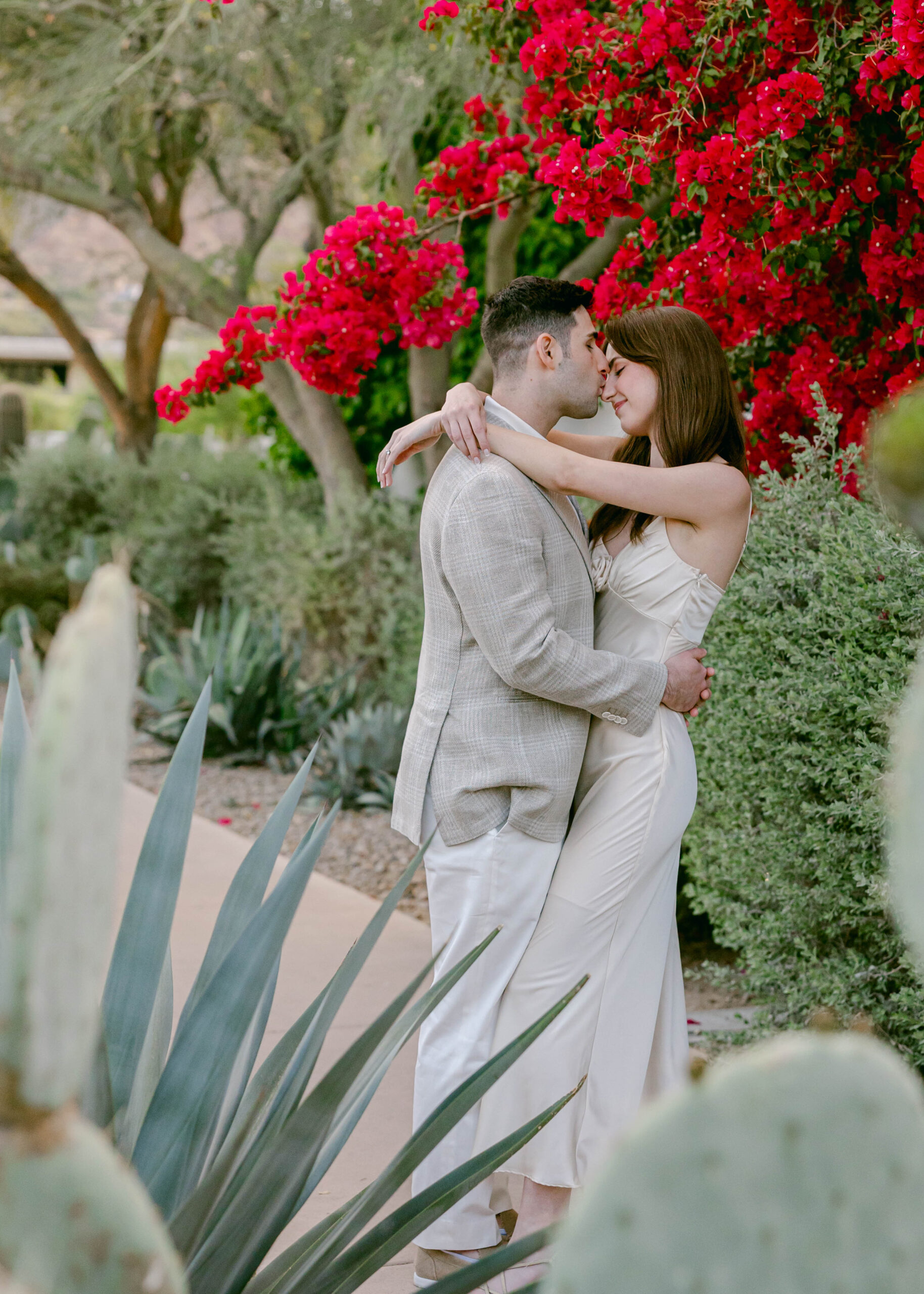
Your wedding day is an expression of love, beauty, and elegance—a once-in-a-lifetime occasion that deserves to be captured in all its glory. Luxury weddings often feature breathtaking venues, stunning details, and unforgettable moments, all of which make for timeless photography. As you plan for the perfect day, it’s essential to think about how these precious […]
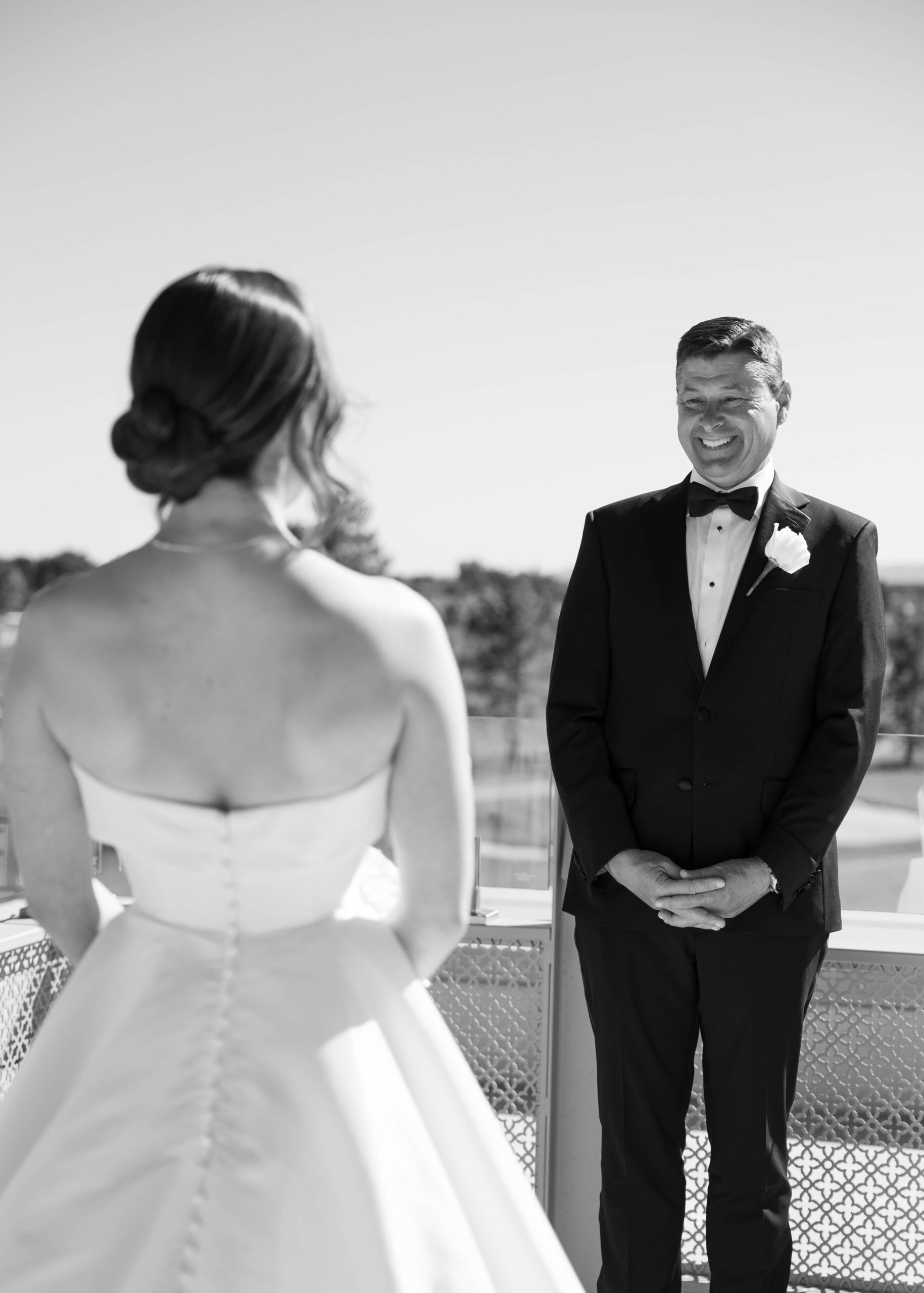
As a Scottsdale wedding photographer, I understand that your wedding day is one of the most important moments of your life, and as you plan every detail, it’s crucial to choose a photographer who understands not only the significance of the day but also the luxury and beauty of your venue. Whether you’re saying ‘I […]
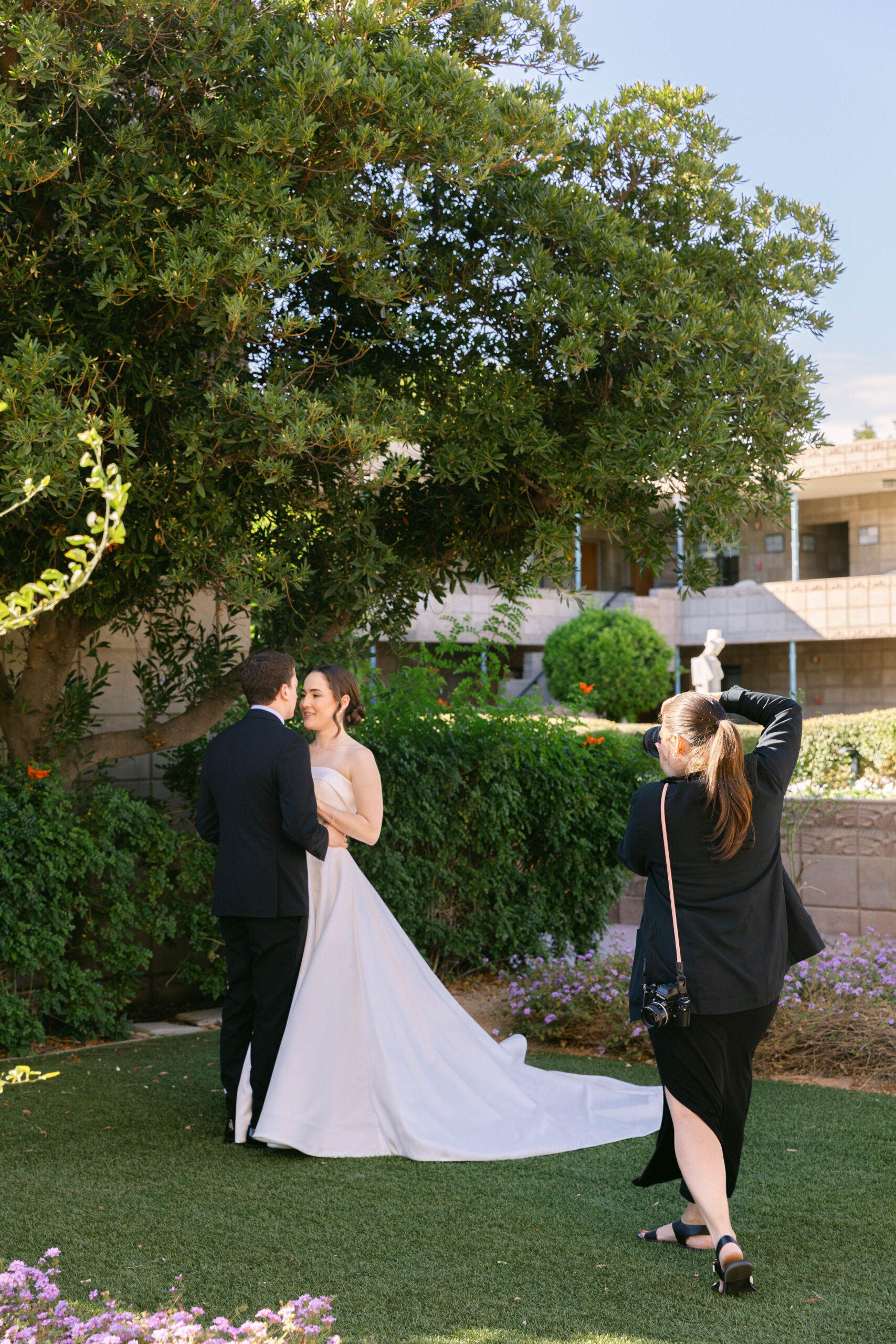
When that wedding invitation arrives, the excitement sets in—until you reach the dress code and start wondering, “What do I wear to a wedding”?! What does “semi-formal” actually mean? Can I wear a short dress to a black-tie wedding? Don’t worry, I’ve got you covered! Dressing appropriately for a wedding is not just about looking […]
Your engagement session should be an experience filled with joy, laughter, and real emotions. If you’re looking for candid engagement photos that truly capture your love story, the key is to create an environment where you feel comfortable and natural. Whether you’re camera-shy or excited to step in front of the lens, these tips will […]

Why Couples Are Choosing Full-Service Wedding Photography In the world of luxury wedding photography, couples are seeking more than just beautiful images—they want a seamless, stress-free experience from start to finish. That’s why full-service wedding photography is becoming the top choice for engaged couples who value both artistry and ease. What Is Full-Service Wedding Photography? […]
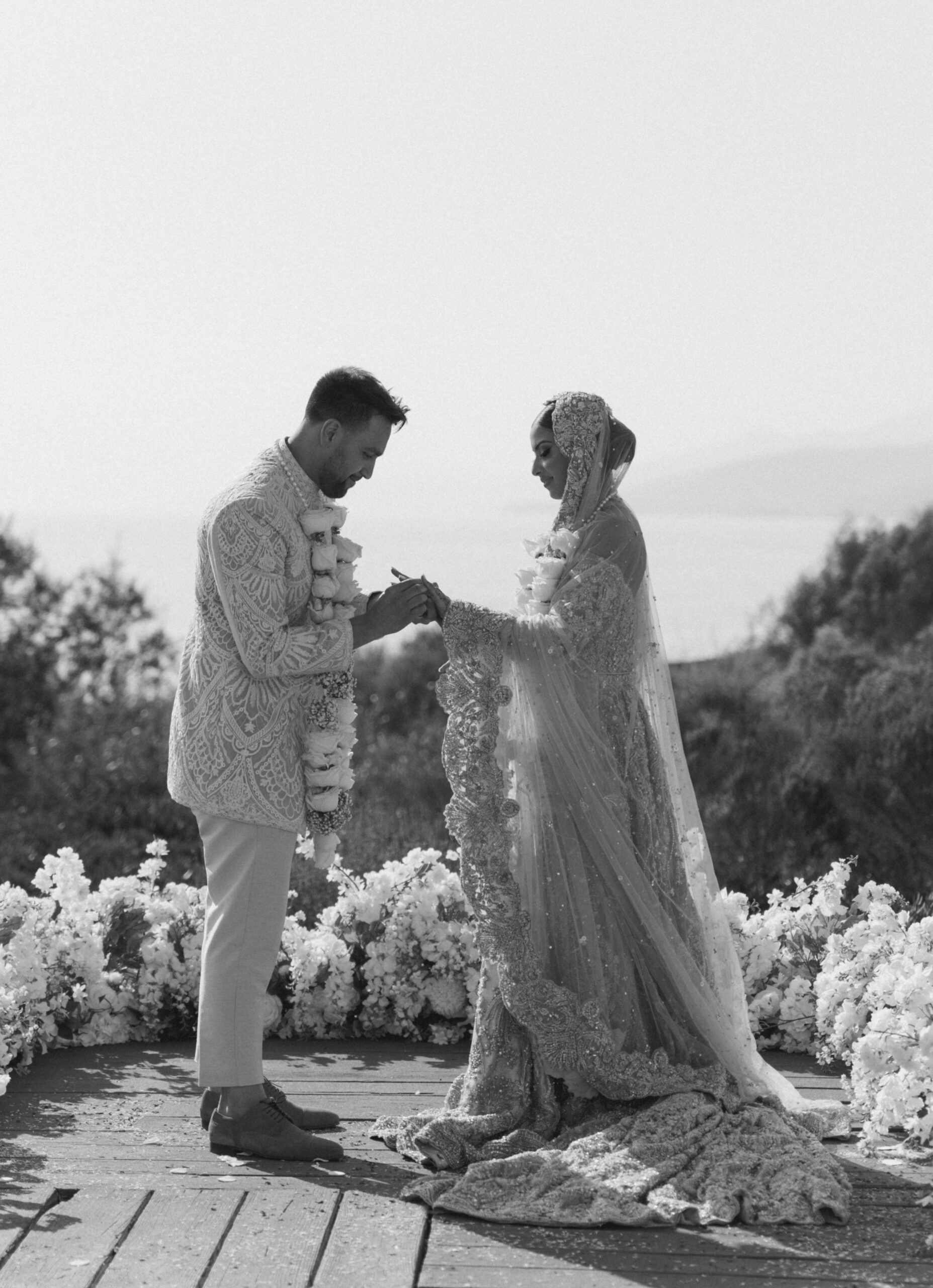
When it comes to planning a wedding in Phoenix, Arizona, the venue sets the stage for an unforgettable celebration. Whether dreaming of a desert escape or opulent affair, finding the perfect location is key to a breathtaking experience. As an Arizona wedding photographer, I’ve had the honor of capturing love stories in stunning venues. With […]
Phoenix is home to some of the most stunning wedding venues, and the newly renovated Arizona Biltmore Golf Club is no exception. Nestled in the city, this venue offers breathtaking views of Piestewa Peak and lush fairways, blending elegance with luxury. As a wedding photographer, I had the honor of capturing a recent celebration at […]
When planning a luxury yet timeless wedding, it’s easy to get swept up in the latest trends you see on Pinterest, Instagram, and in all the wedding magazines. There’s extravagant details, over the top florals (which we all love), and lavish attire—but the most breathtaking celebrations are those that feel both elegant and deeply personal. […]
An intimate wedding in Paradise Valley Arizona is the perfect way to say, “I Do!”. Set in the Historic District of Phoenix is intimate, colorful, and classic, with the Camelback Mountain and black and white checkered dance floor setting the stage. This well-styled wedding with timeless details that are inviting, simple, and classic. Industry talent […]
Nestled in the picturesque landscapes of Santa Barbara, California, Dos Pueblos Orchid Farm provides the perfect backdrop for a romantic and enchanting wedding celebration. With its sprawling gardens, charming barn, and breathtaking ocean views, this hidden gem has become a sought-after venue for couples seeking a unique and unforgettable wedding experience. This two day wedding […]
Downtown Phoenix rooftop engagement sessions have grown in popularity in the recent years! It’s a fun and different alternative to the desert scenery. Lily and Gabe absolutely nailed their engagement session and this rooftop was the perfect setting for them! Downtown Phoenix Engagement Photos There’s something so romantic and dreamy about the urban setting for […]
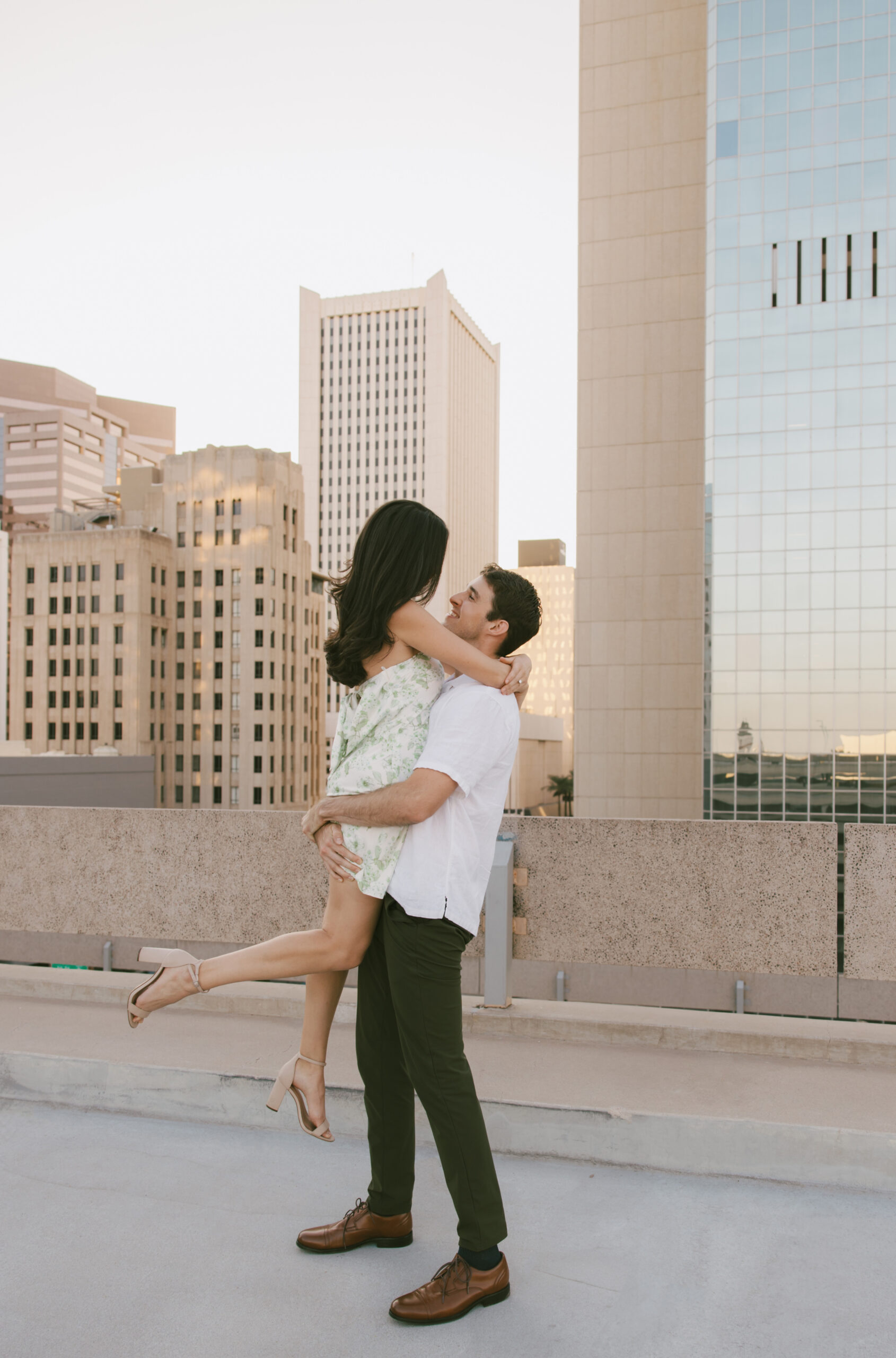
The wedding of Lexi and Austin will go down in history as one of my favorite days to capture! Let me start by saying, I just adore these two so much. It was apparent that everyone who attended their wedding day felt the exact same way as me. Their fall nuptials took place at a […]
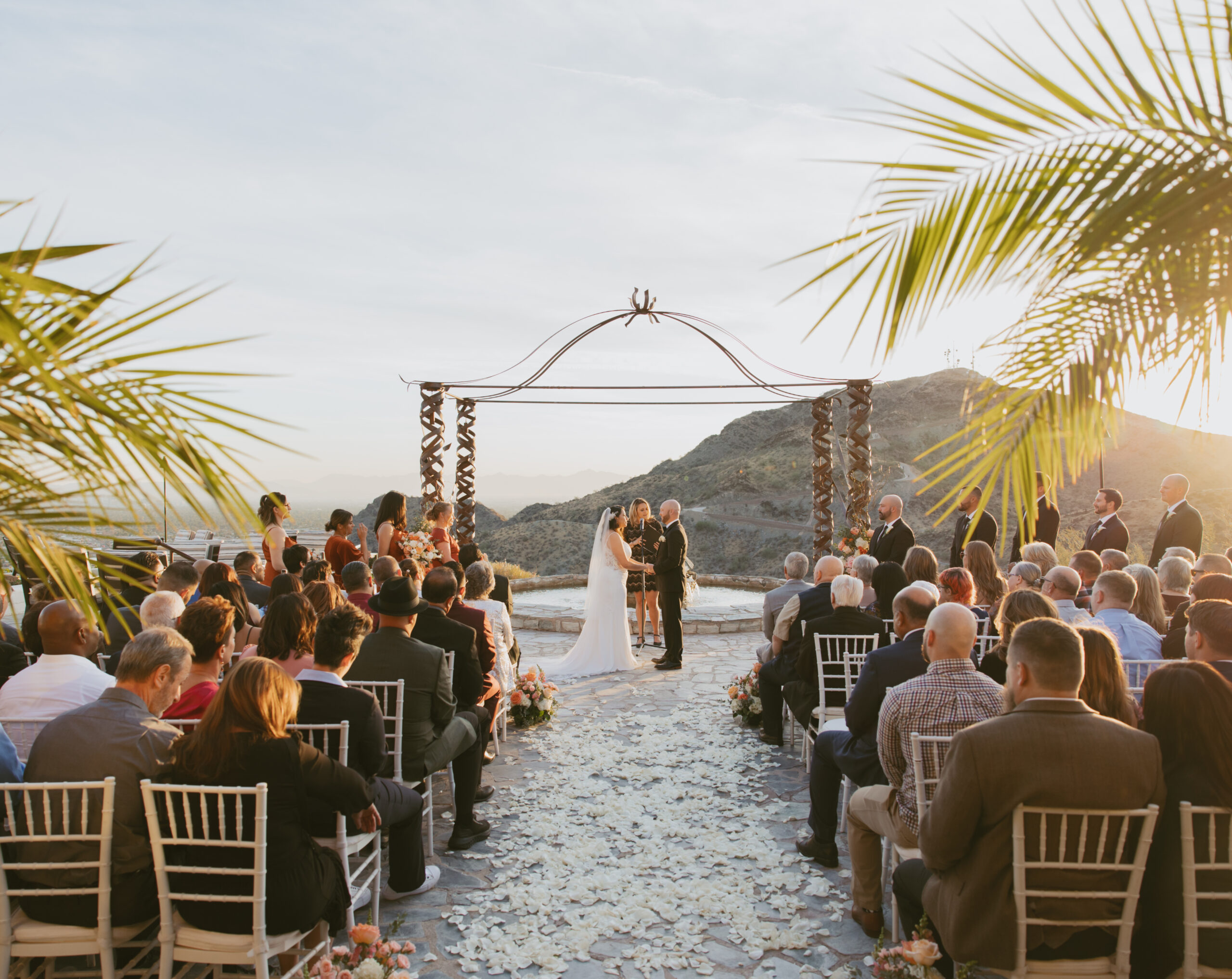
Glamis Sand Dunes is one of the most incredible places I’ve seen; it looks like a completely different planet. If you want something that feels out of this world for your engagement photos, I highly recommend booking your shoot here! A Glamis Sand Dunes Engagement Session is otherworldly. These two are some of my favorite […]
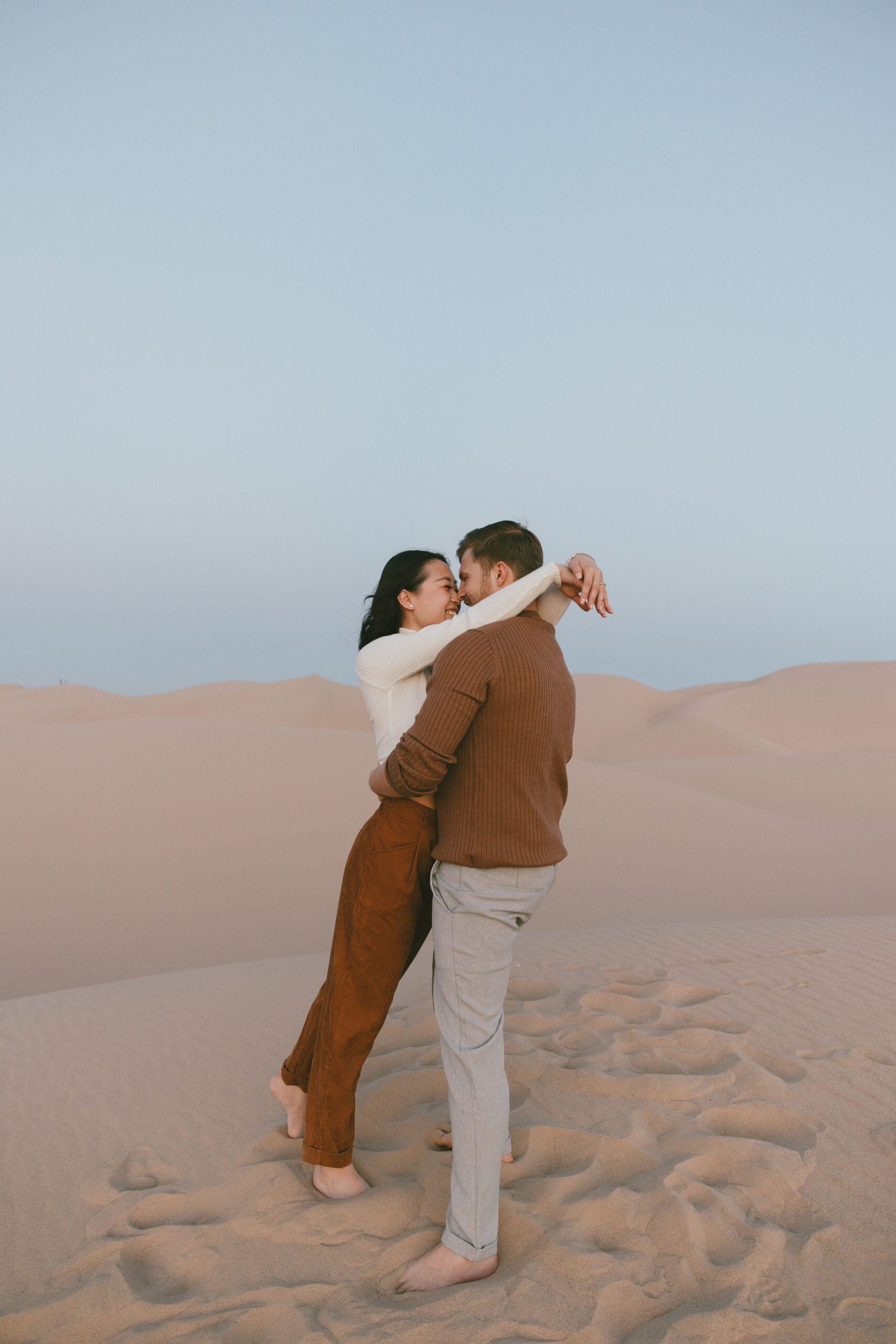
This was my first time visiting Washington State and shooting an Olympic National Park Engagement Session! It was a quick trip as I was there less than 24 hours, but I fell in love. I have seen a lot of beautiful places, but experiencing the Pacific Northwest for the first time is so special. When […]
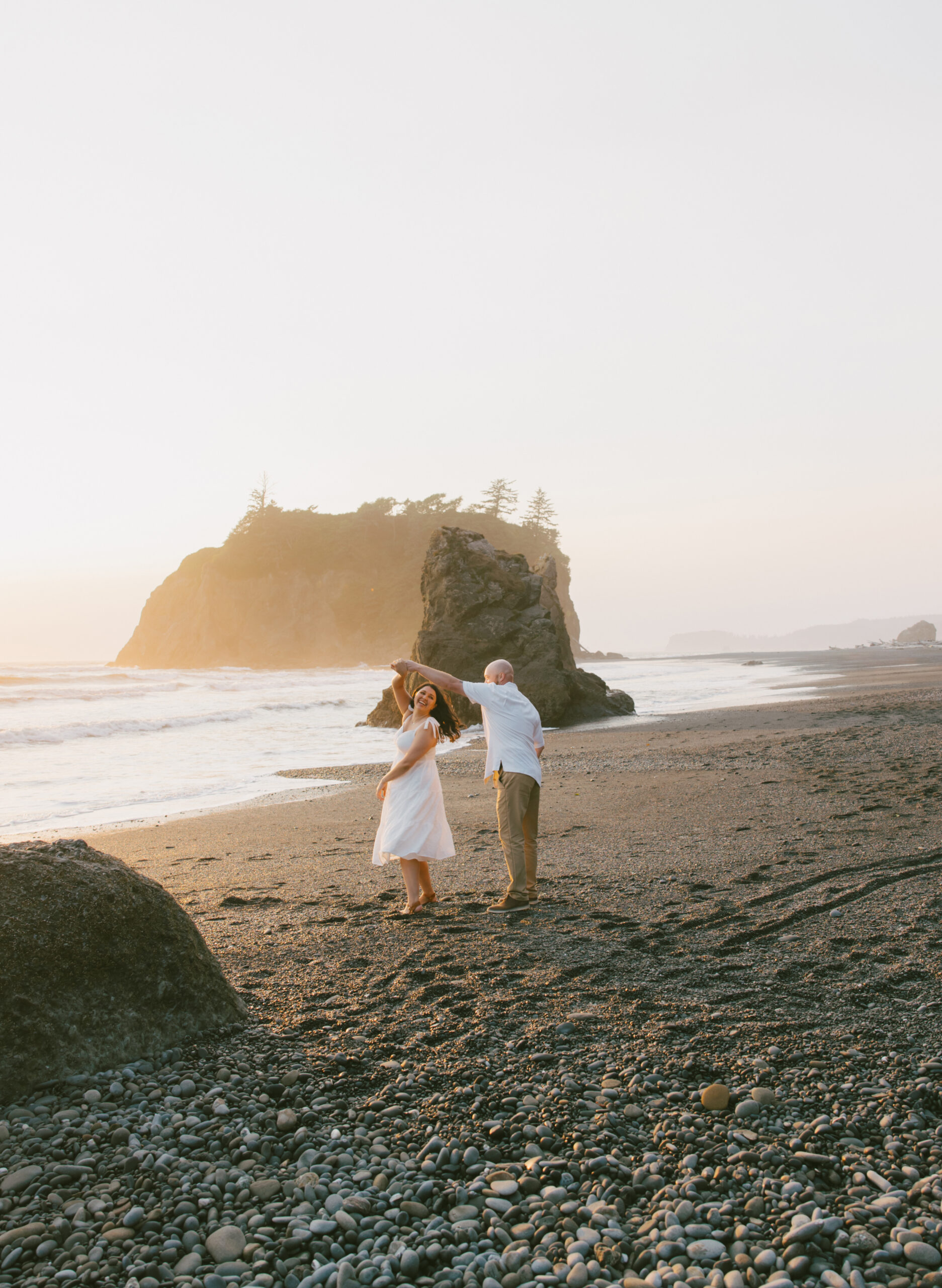
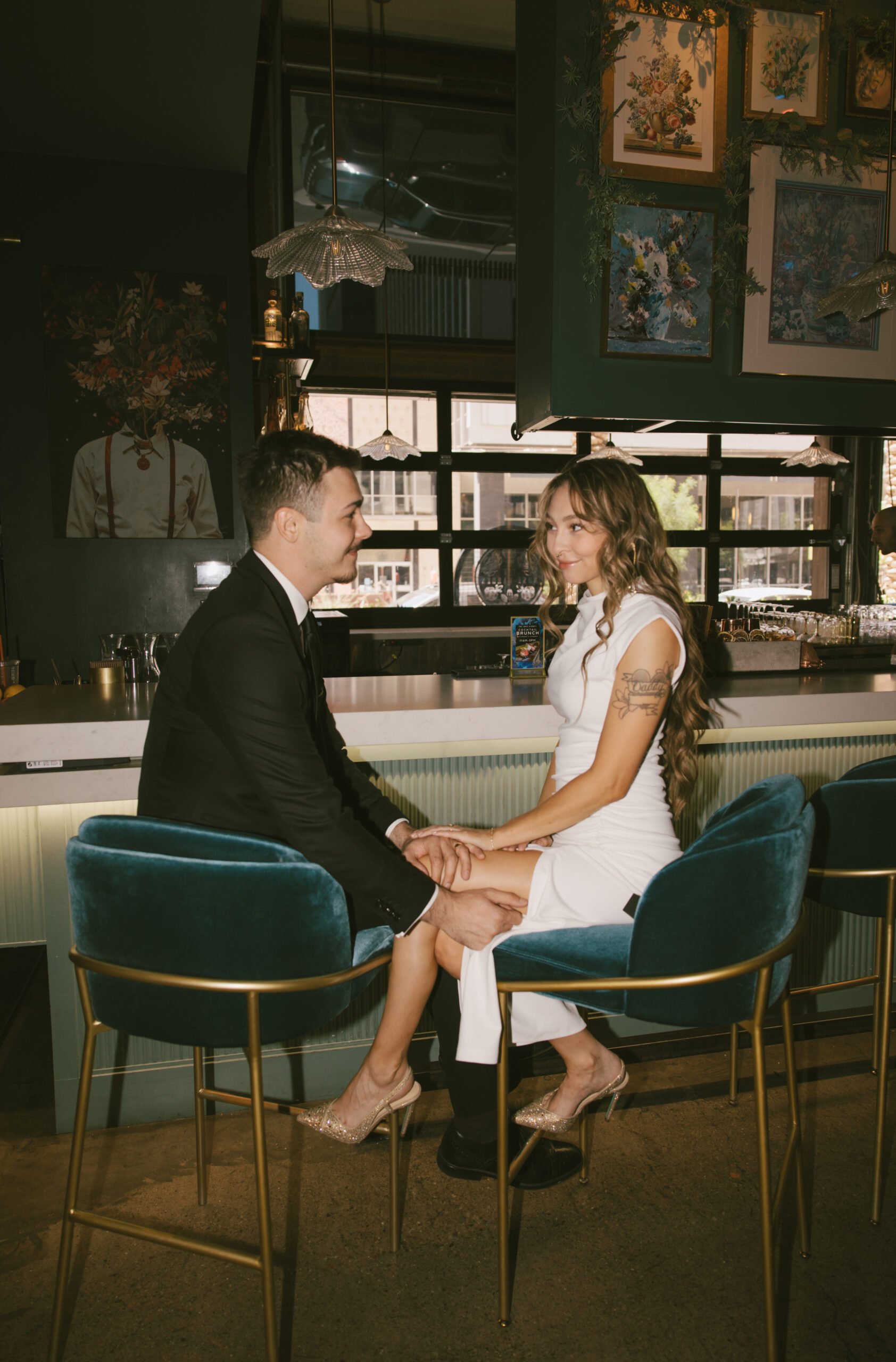
Bailey & Kendall wanted something unique, classy, and fun for their engagement session! They opted for something different than the desert scenery of Arizona and went for something a little more modern… A Cocktail bar engagement in Downtown Phoenix. Downtown Phoenix just made sense and was a fun way to capture candid and editorial photos […]
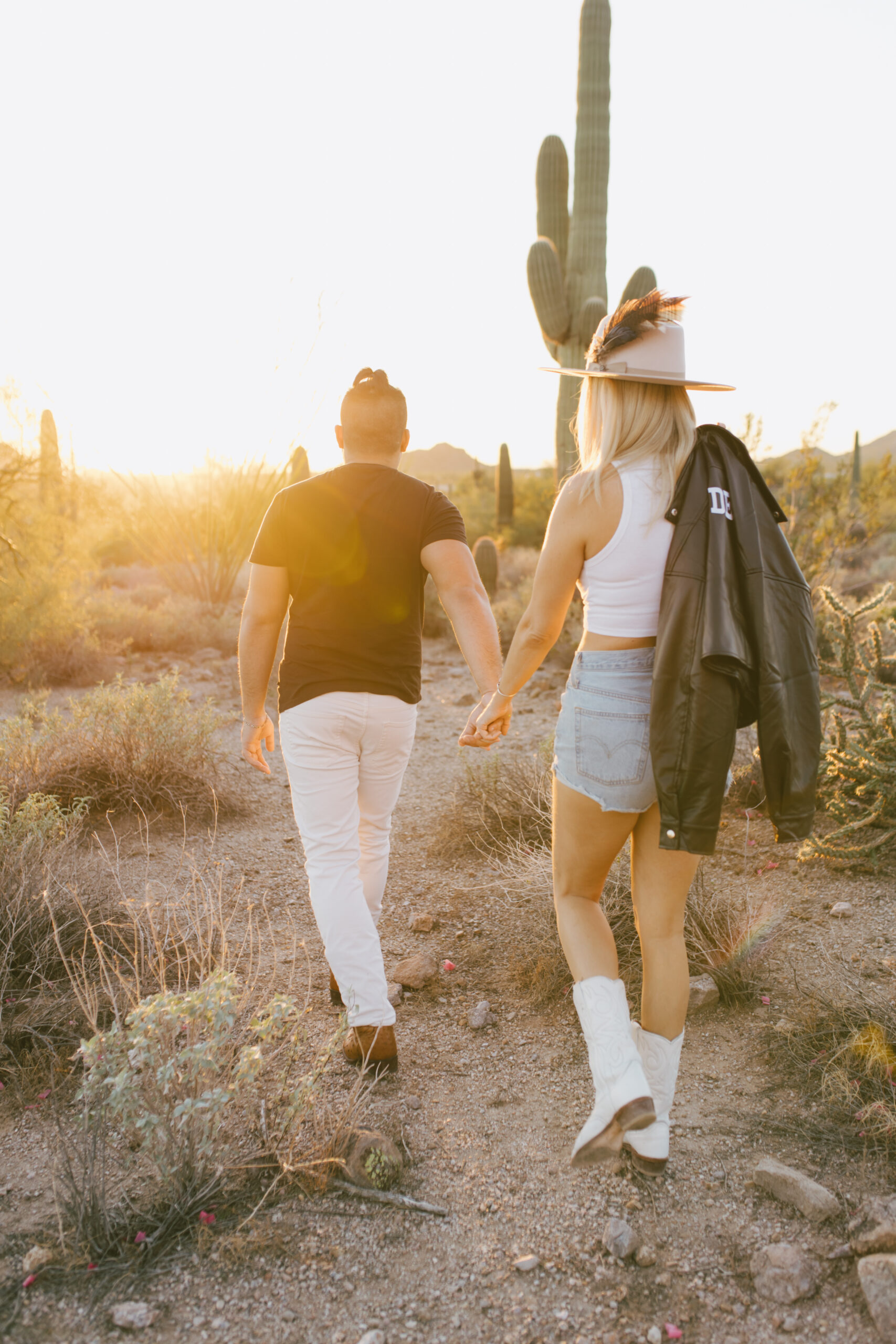
One of my most asked questions when booking an engagement session is, “do you have any location recommendations, we’re not sure where take photos at?” My answer is always yes!! I have a list of locations that I send to my couples, and I though to myself, “why not share it with everyone?!” So here’s […]
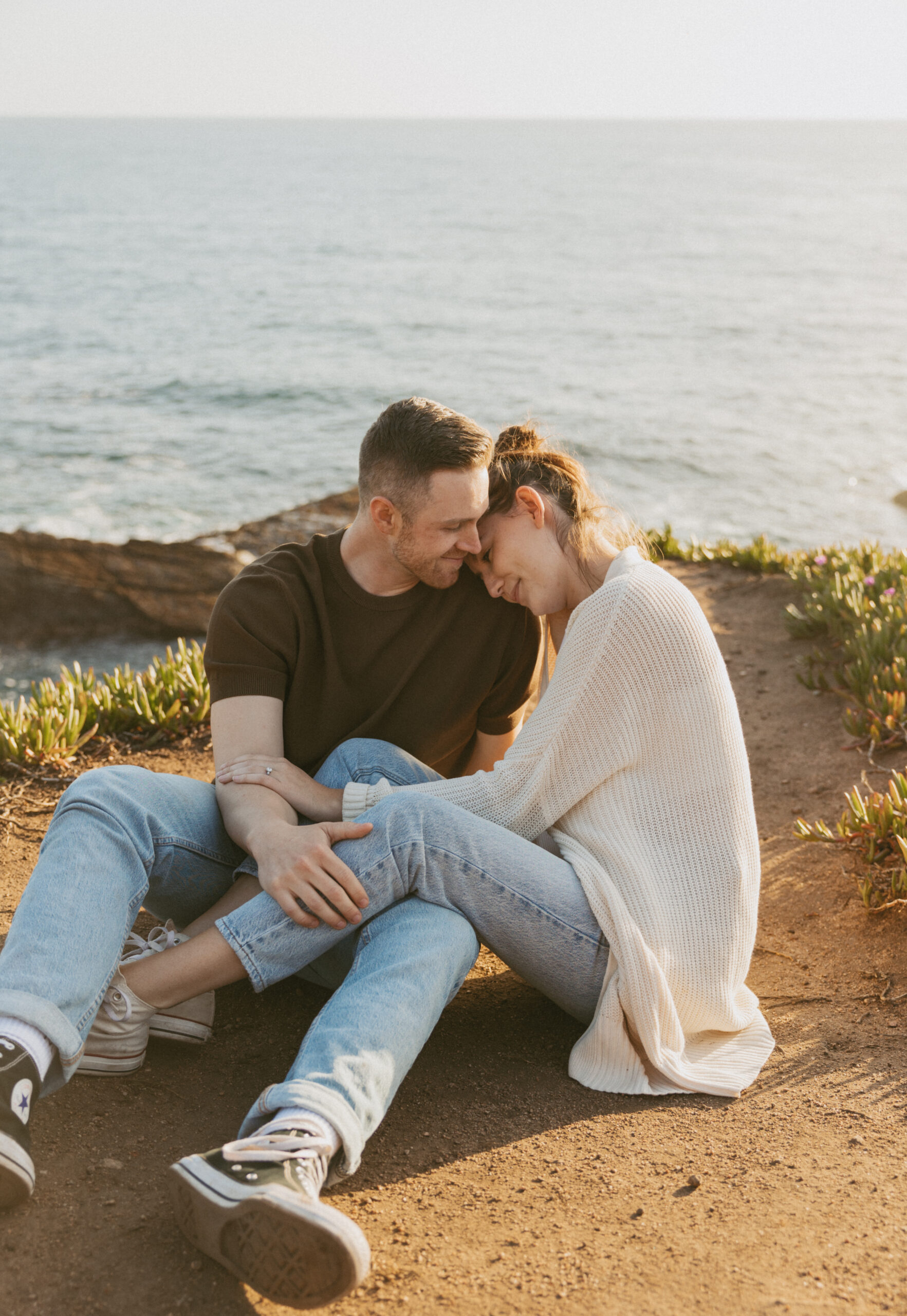
I’m a fall girly through and through, even more so now that I live in Phoenix. I literally dream of fall days. The chilly weather, cozy sweaters, pumpkin everything, and all the cute clothes. I look my best in the fall due to my obsession with sweaters! So of course I have to share some […]
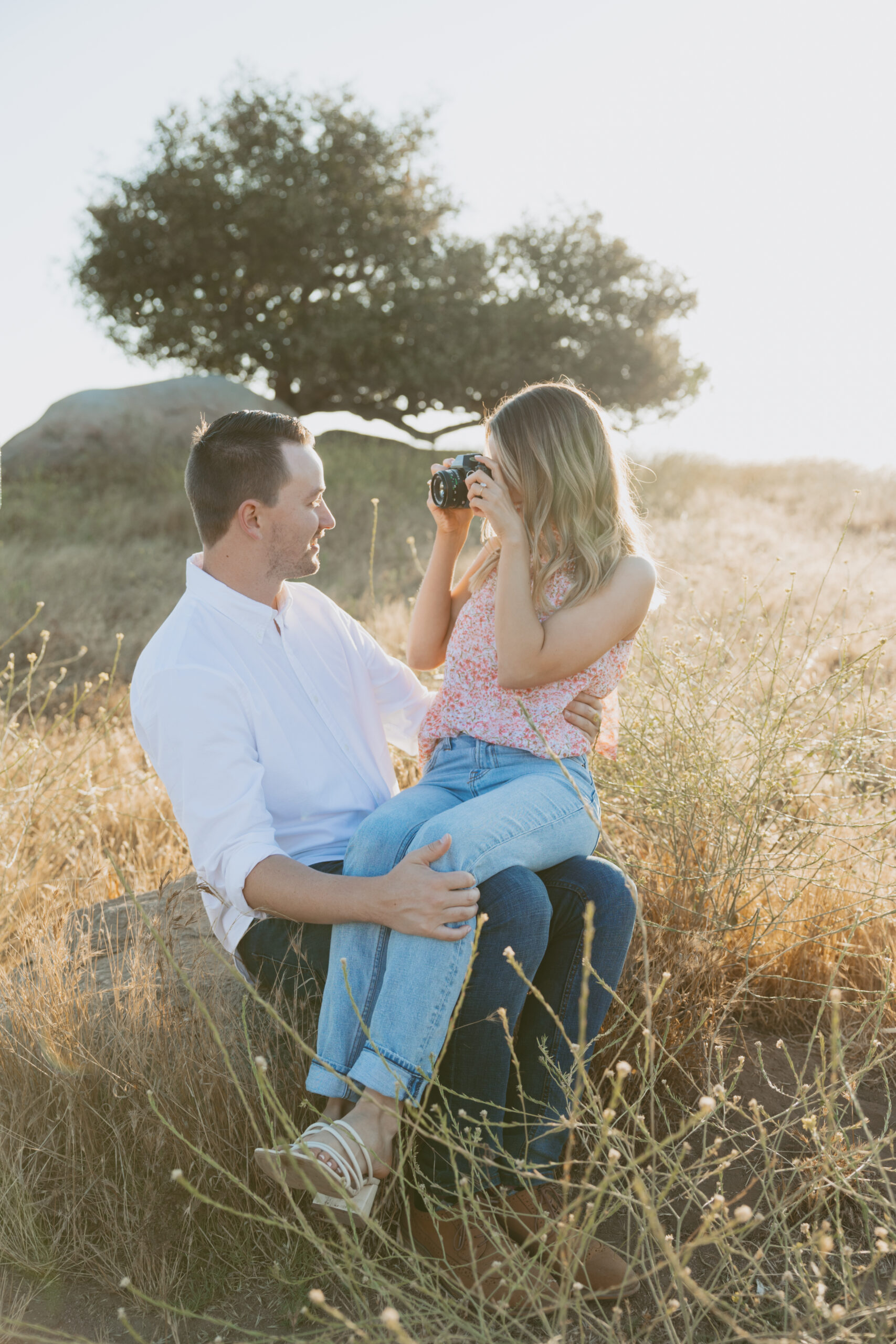
I have shot at this spot many times while living in San Diego. One of my first shoots ever was at this spot, so it has a special feel to me! It wasn’t until the morning of this shoot that I realized just how perfect this place is. Especially for a Sunrise Engagement session in […]
If your read Part One of Jenn and Edgar’s Vietnamese wedding day then you know their day was off to a perfect start. If you haven’t yet read about their Vietnamese Tea Ceremony, I highly recommend you check it out here! Before I get into all the details, I need to preface this by saying […]
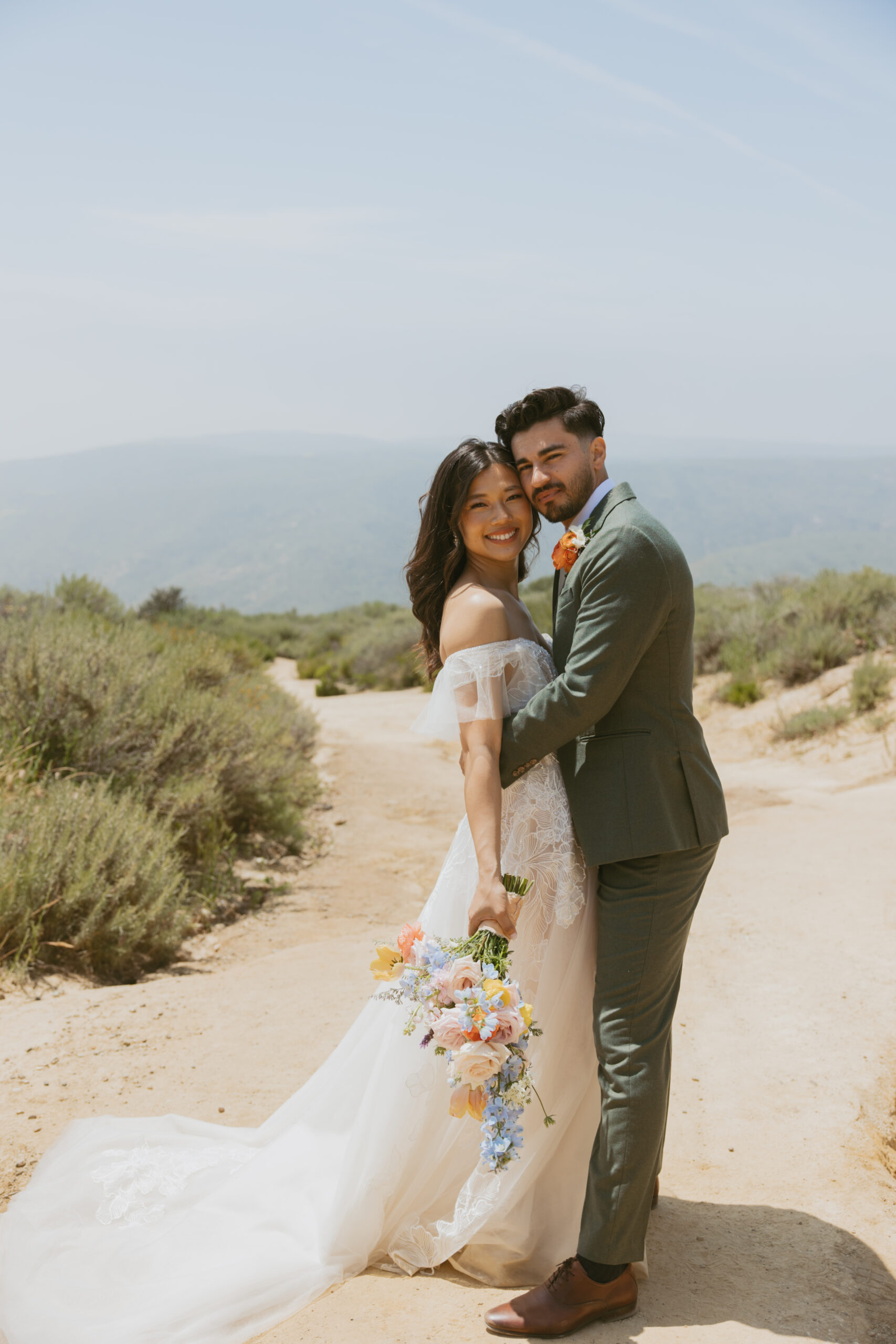
Jenn & Edgar’s wedding day was perfect from start to finish. The day began with a traditional Vietnamese Tea Ceremony and ended with their traditional western wedding! This is part one – the Tea Ceremony. This was my first time not only photography a Vietnamese Tea Ceremony but attending one. It was absolutely beautiful from […]
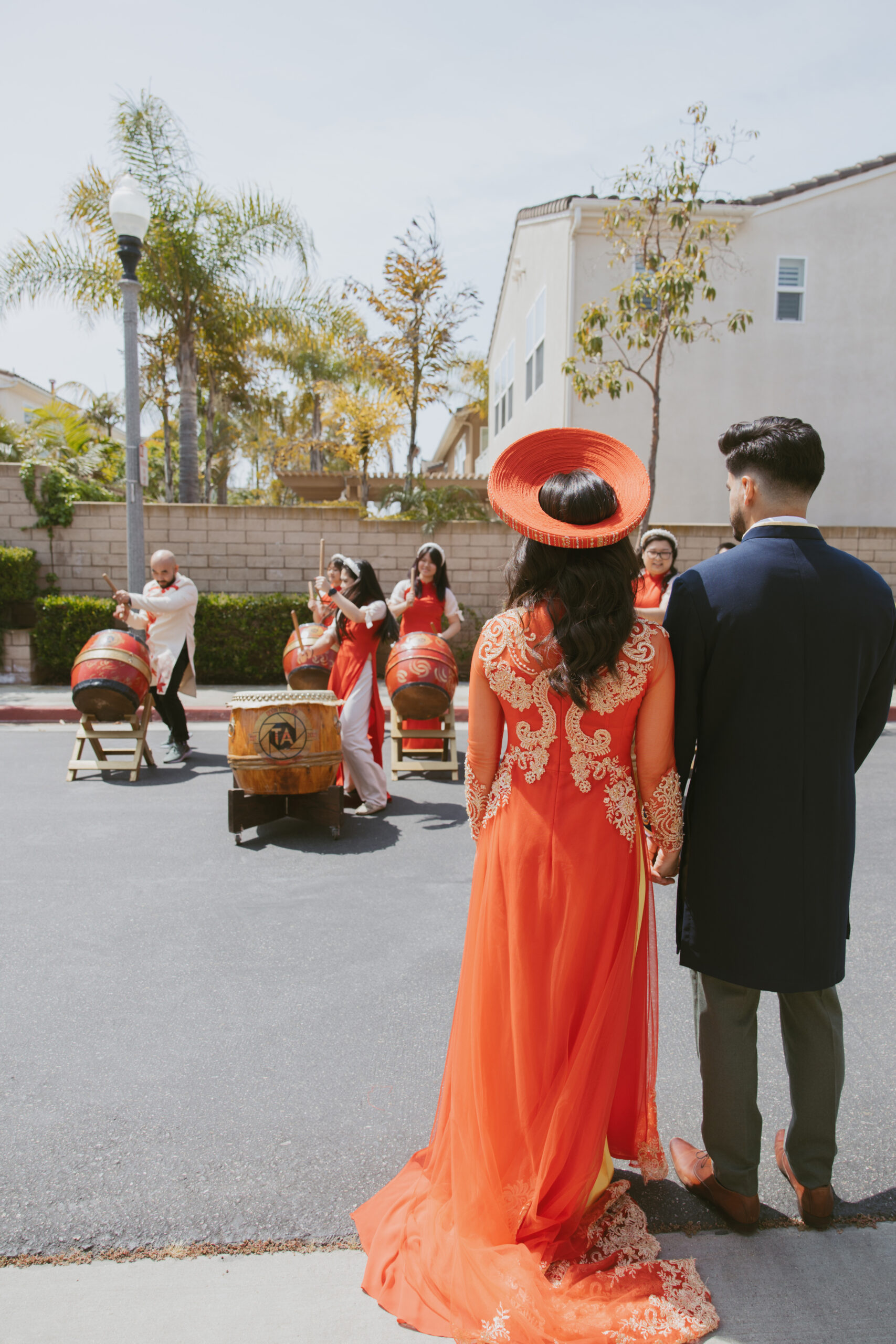
Best Places to Take Photos in Phoenix was top of mind for Nick and Sonya, one of my couples who got married in spring 2024. To tell you I’m so excited about their wedding would be an understatement! These two live in Washington but are getting married in Phoenix. They knew they wanted to have […]
It’s inevitable whenever I hear a good love song, I immediately get in my feels. There’s so much power in music, and creating a wedding day playlist is the best way to set the tone of your day. From getting ready moments, to walking down the aisle, to the one you’ll have your first dance […]
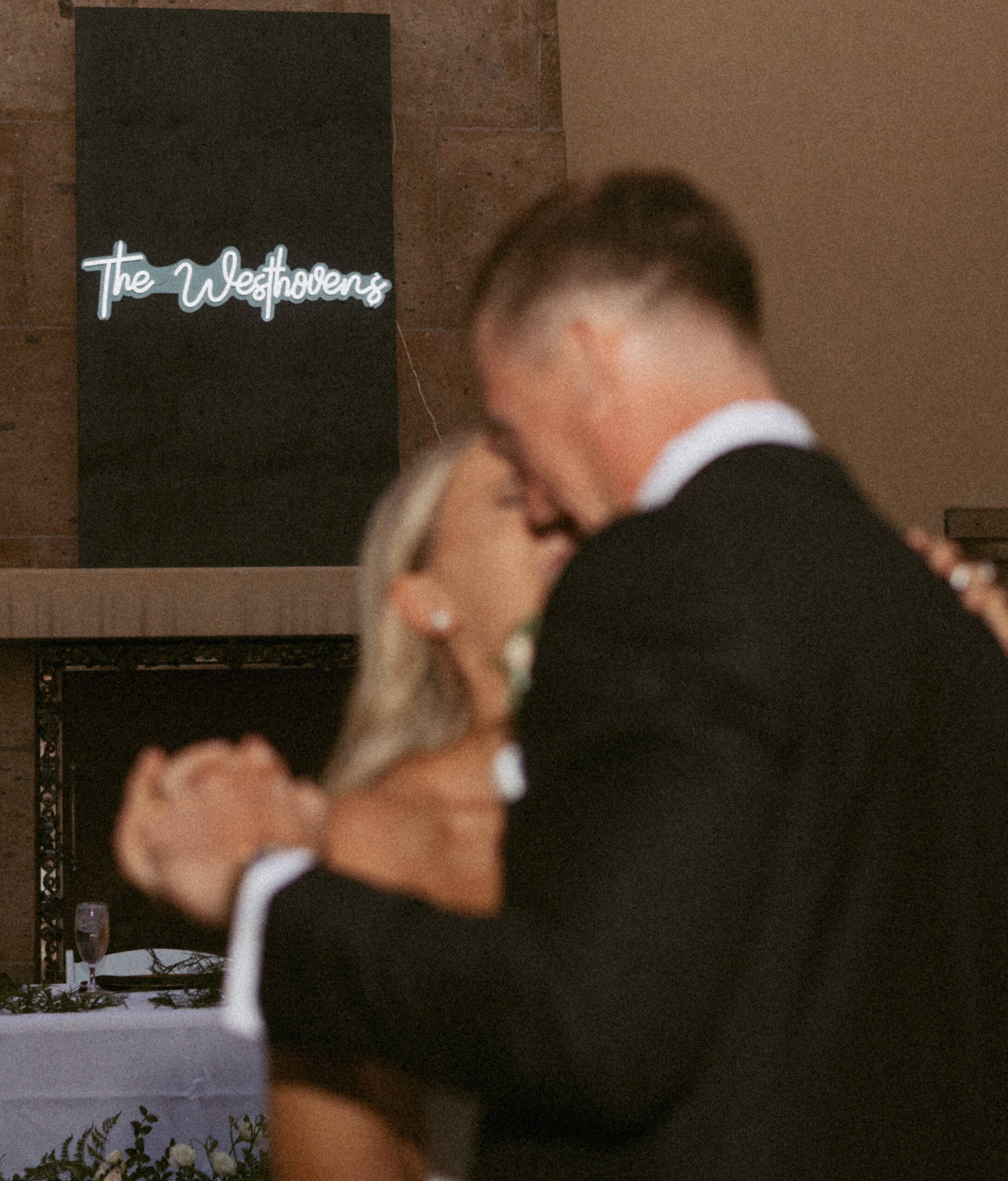
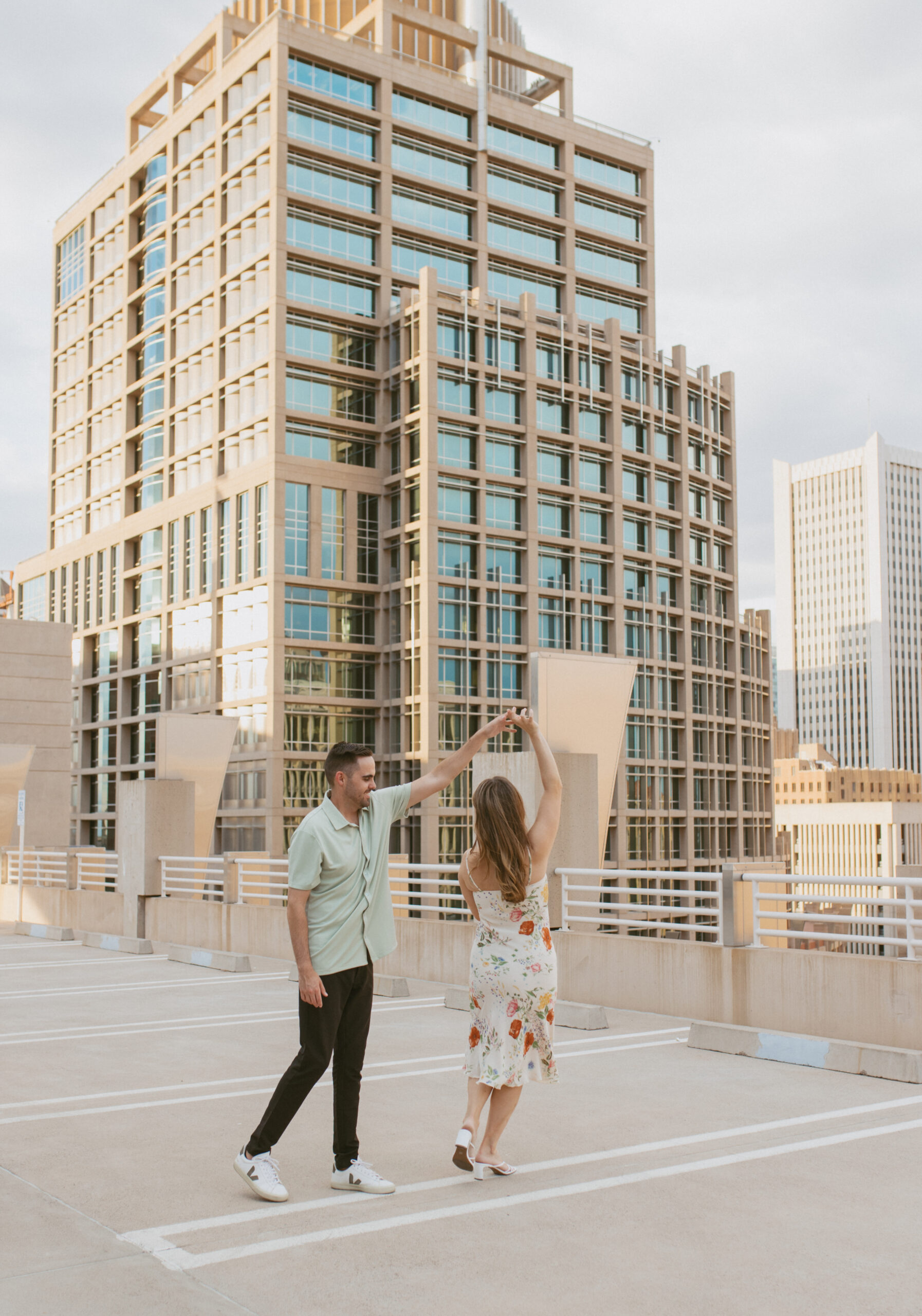
This was my first time shooting a Downtown Phoenix Engagement Session since moving to Arizona! I forgot how much I loved getting creative in an urban setting.
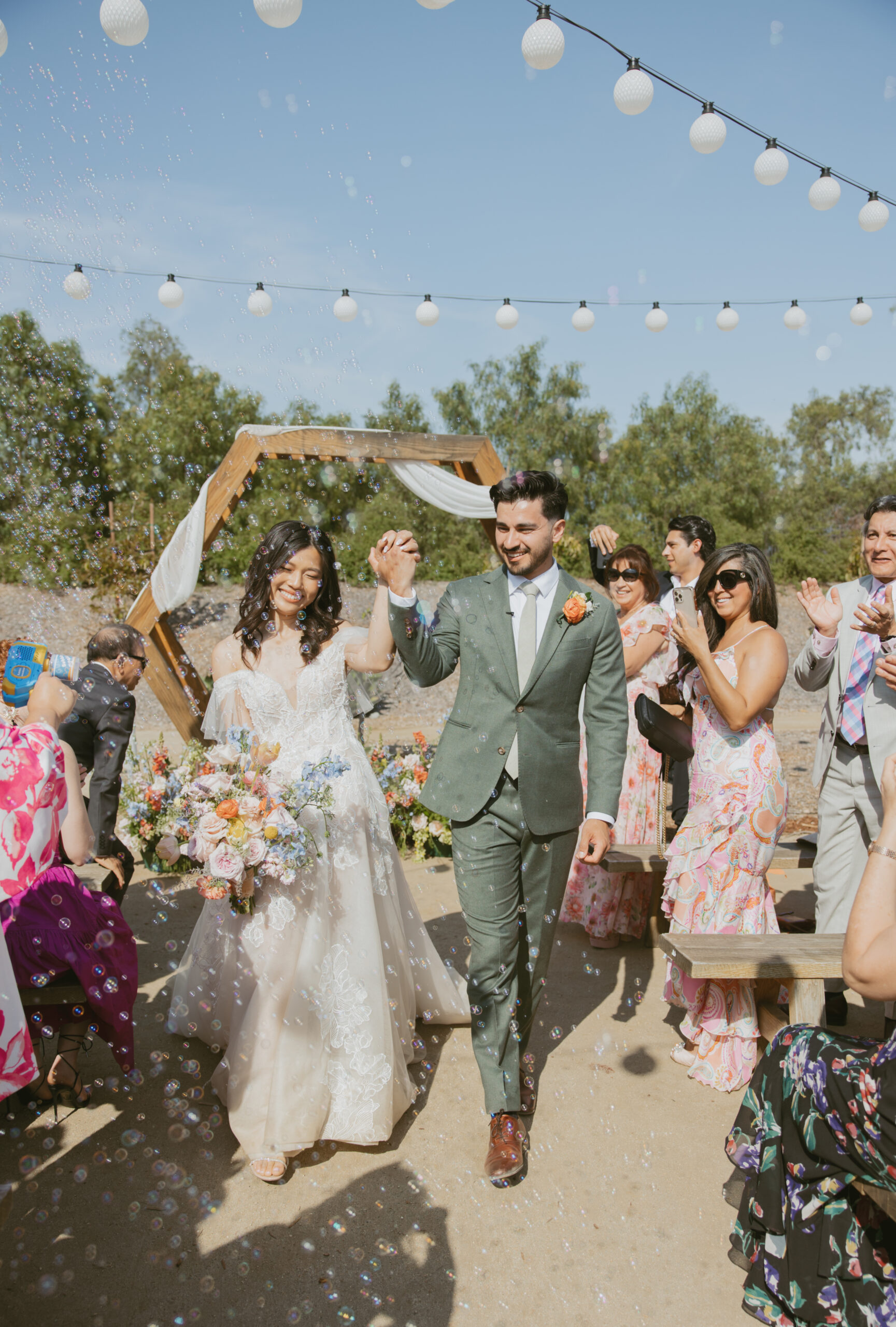
As a wedding photographer, there are always “must-have” wedding photos on my shot list. When it comes to delivering a wedding gallery, these are the images I think should always be there. Here are the moments and details that DESERVE to be documented!
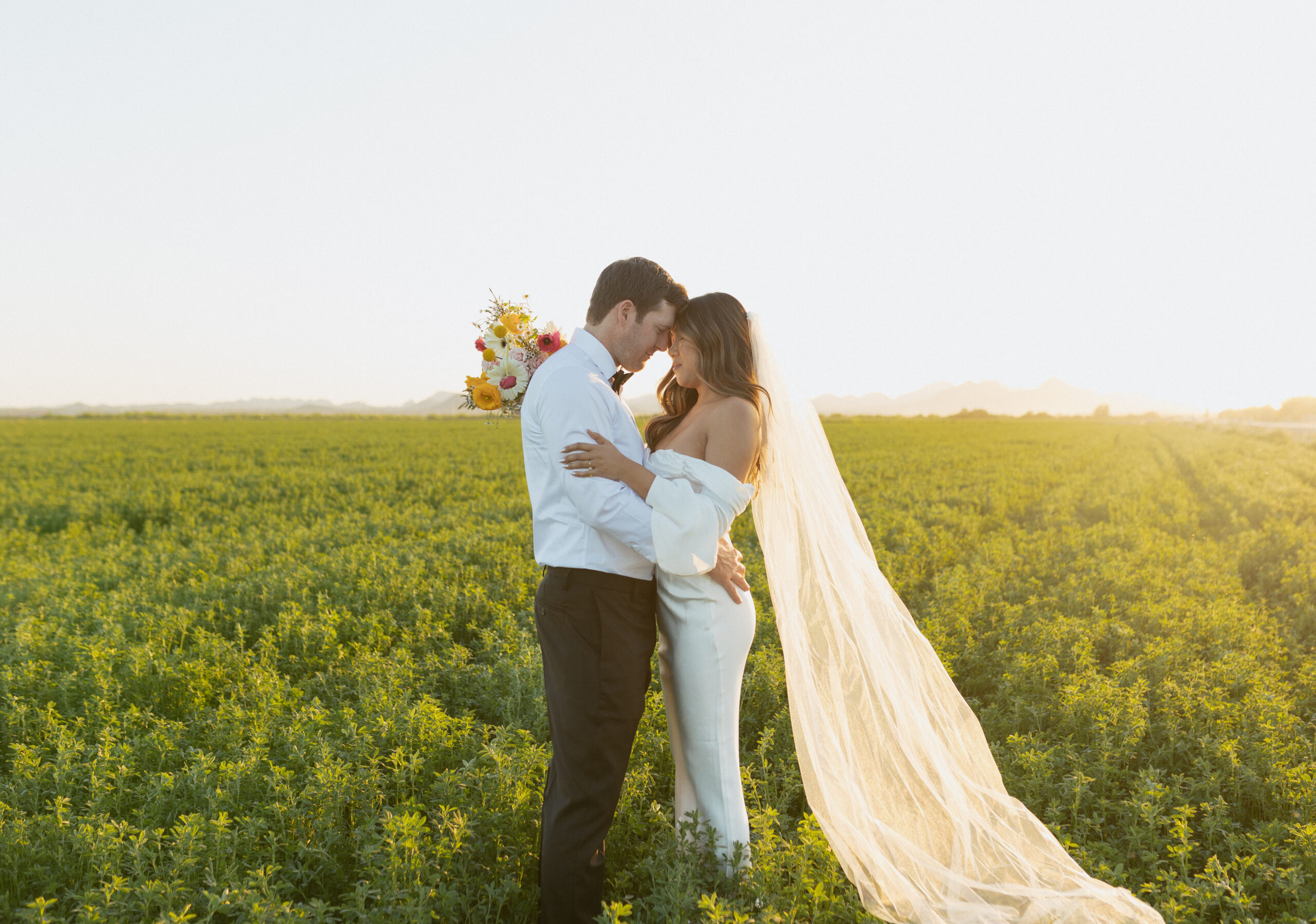
When couples start searching for wedding photo ideas for bride and groom, they often want inspiration that feels both timeless and personal. As a photographer, I’m always trying to mix things up and make sure I’m not telling all my couples to do the exact same poses. However, I have a handful of shots I […]
entries
popular
view the highlights
In every interaction, Jaidyn aims to bring joy and connection through personal touches, heartfelt service, and a dedication to making her clients feel seen and valued.
